
What to do with your pandemic savings?
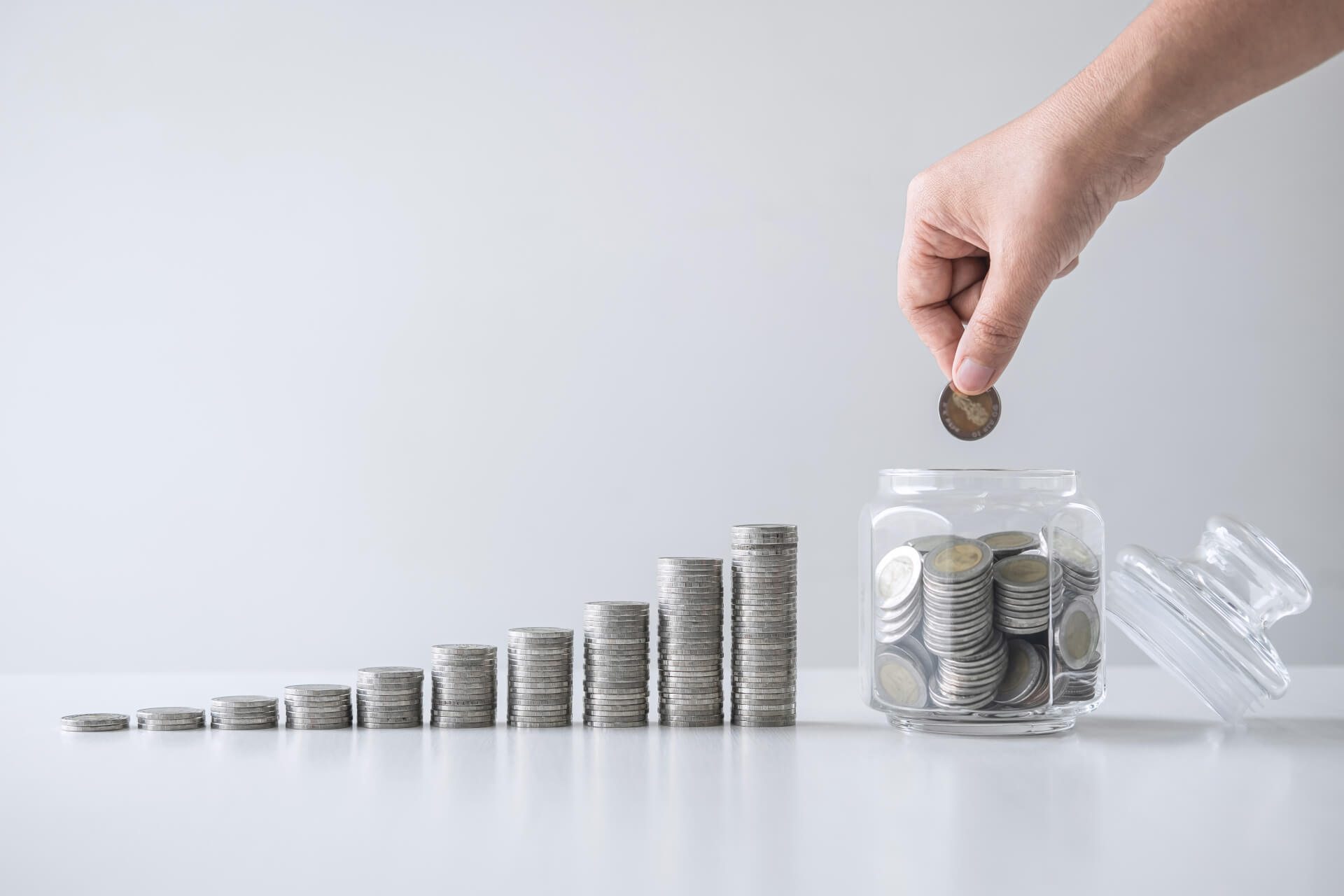
Nothing good can be said about a global pandemic and to even look for a silver lining can at times just feel wrong. However, as humans we are programmed to look towards the future and to make the best of changing situations in our lives and in the world around us.
While the shift towards remote work is perhaps the most notable and obvious lasting social change brought on by COVID-19 the data clearly shows that there was also an equally seismic change in people’s spending habits over the past two years. For millions of people the forced reduction in travel, meals out and just about everything else we consider to be fun in life has lead to a substantial increase in their bank balance and household savings.
Research by the Institute for Fiscal studies shows that the household savings rate peaked at 23% during 2020.
Put simply, for every pound that people had leftover after bills, rent and other essentials, households have on average been saving almost a quarter of it. This has been an unexpected yet very pleasant surprise for anyone looking to buy a house, put money aside for their child’s future or even just to take a long overdue holiday in 2022.
What is perhaps even more surprising is that people haven’t been showing any signs of ‘blowing it’ now that pandemic restrictions are easing up and workplaces, entertainment venues and restaurants are opening their doors to the public.
There is a clear trend it seems to not let this once in a lifetime financial windfall go to waste, yet for many people who have for years struggled to save anything at all there is also uncertainty about what to do with their newfound ‘nest egg’ and how to best use it to help them achieve their financial goals.
3 Ways To Make The Most Of Your Pandemic Savings
1) PUT YOUR MONEY TO WORK
Having money stashed away under your mattress or in a savings account is nice and can give you peace of mind about your financial security, but it doesn’t actually help you to build a better, brighter future for you and your loved ones. The average savings account with a high street bank typically pays you an interest rate of less than 1% per year. That means for every £1 you hand over and let them use for loans to other customers, you earn 1 single penny each year. This is not great, especially when you stop and think about how much banks earn on those loans they make with your savings, as the interest rates they charge for overdrafts, credit cards and personal loans can often be as high as 10% or even 25% APR.
In the past it was simply not possible to do anything else than keep your money at the bank, but the rapid growth of new innovative FinTech platforms like Qardus mean this is no longer the case. Our investors have earned over £285,000 through their investments on our platform, through lending their money directly to verified, high growth UK businesses that are aligned with their ethics and values. By cutting out the middleman - your bank - and letting our smart technology do the hard work for you, it is truly possible not just to enjoy the security of the money you’ve saved up during the pandemic, but to actually make it work for you!
The compounding nature of rates mean your modest savings can turn into something that you can truly use to build a brighter future for you and your family.
2) HELP PEOPLE AND SOCIETY
Having money is good, having more money is even better, but the hardships endured by all during the recent pandemic have truly brought life to the phrase - ‘money can’t buy you happiness’.
The pandemic brought out the best in our society, as people worked together both on the frontline in hospital A&E departments, as well as on the ‘home front’, delivering food to elderly neighbours who could not leave their homes for months on end. This is another trend that looks set to continue, as people seek out different ways to make the world a better place one day at a time. Investing is no exception, as when you make values based, ethical investment choices you can not only grow your own future, but help others to build theirs at the same time.
Unlike your savings deposited in a low-yield high street bank’s vault, on platforms like Qardus you can choose where your money goes, who you invest in and for what purpose. We only allow verified, robust businesses to obtain funding on our platform, to mitigate the risk of your investments, and to increase the potential returns on your money. However, unlike other p2p lending platforms we actually allow you to choose which specific businesses you want to fund and invest in, so that you can be sure your money is being invested according to your beliefs and values.
Each investment opportunity on our platform provides you with not only the financial details about the business you are funding, but also their story so you can get to know the people behind the business and make investment choices that make the world a better place £1 at a time.
3) PROTECT YOUR FAMILY AND YOUR FUTURE
If the events of the past 24 months have taught us anything it is that we all need to do a better job of planning for the unexpected and ensure we have the financial resilience to live happily during the good times and the bad.
In fact over 8 million people have no savings at all to rely on in the event of illness, job loss or anything else life might throw at them.
While investing can seem risky and may not be something you have done before it doesn’t have to be. We have created the technology, investment screening processes and legal contractual structures to allow you to invest with confidence in a diverse portfolio of ethnical opportunities with high returns. By investing regularly and diversifying your investments you can grow your ‘rainy day savings’ into a solid financial future for you and your family.
Explore more news
Halal Investments
When it comes to investing, many Muslims (and non-Muslim investors) are on the search for stocks and investment products that are deemed to be halal stocks. Halal stocks refer to those stocks that emanate from companies that comply with Sharia principles.Sharia rules about investment encourage investors to find a balance between the society and the individual. The foundation of halal investing rests on being socially responsible and making sure your investments comply with Sharia rules about what is halal and haram.In very basic terms, Sharia compliant stocks should :
- be based on ethical profit sharing
- prohibit interest
- not be linked to prohibited activities and industries
- uphold ethical values
Guidelines For Halal Investments
Halal investing requires investors to ensure their investment decisions are based on what is permissible under Sharia rules.
Any business that engages in so-called haram (non-permissible) activities should be avoided as the stocks will not be halal. For example, companies that are involved with alcohol, pork, gambling, porn, tobacco, and drugs are not permissible when it comes to investing or the purchase of stocks.
Instead, look for businesses that are involved in technology, science, energy, transport, education, regeneration, retail, property, and textiles.
Islamic finance-based investment activity requires the investors to evaluate where the stocks come from, the financial activities of the company, the price being paid, the financial statements and accounts, and the revenue/ sales generated. This level of research means once you are ready to invest you should know a great deal about the company.
Activities such as short-selling are not permissible by Sharia law.
CAN MUSLIMS INVEST IN STOCKS?
The simple answer to this question is yes. Muslins can invest in the stock market and stocks that are deemed to be compliant with Sharia principles.
From an Islamic perspective, as long as the stocks being invested in do not contravene any Islamic finance principles, then investing in them is considered permissible.
That is not to say that investing in all and any kind of stock is halal. Investors looking for halal stocks should be mindful of the companies and the industry they are investing in.
WHAT ARE HALAL STOCKS?
Halal stocks are stocks from companies that are compliant with Sharia principles relating to finance.
According to Islamic finance and Sharia laws, investors should share in profit and loss. Companies you invest in should not be linked to prohibited industries such as gambling and porn, and they should not trade unethically.
Muslims have a duty to ensure that they align their investment activities with Islamic finance principles.
ARE HALAL STOCKS ONLY FOR MUSLIMS?
No, halal stocks are not only for Muslim investors. In the United Kingdom and across the globe more and more investors are looking for more ethical stocks.
Halal stocks will normally fall within the realms of ethical investing given that Islamic finance is based on principles relating to social justice and ethics.
Many Sharia compliant lenders and providers of financial products in the UK offer halal stocks to Muslims and the wider investor community.
Halal Stocks - Factors To Consider
Halal stocks should be screened for Sharia compliance. You should look at the website of the company you intend to purchase stocks of, and check to see what their business operations entail. Further, examine their trading practices and their sources of income.
Before you invest your money, make sure to undertake quantitative and qualitative assessments and screenings of the company's business operations. You'd be surprised at what can contravene Sharia rules relating to business. For example, you might want to invest in a business that deals in the buying and selling of food such as fresh vegetable and fruit.
However, when looking closely, you might find the same company or brand also buys and sells alcohol and this is contravention of Sharia principles. Investing in such a company would not be deemed to be halal.
Another example of a prohibited stock would be investing in stocks belonging to a company that distributes food. On the surface, this might seem to be non-controversial, but if the company distributes all kinds of meat including pork, then the stocks of that company will not be deemed to be halal.
Also, companies whose finances revolve around interest-based activities should be avoided. Under Islamic finance principles, riba ( interest) is strictly prohibited. Any company you buy stocks from should not pay or receive interest in any form. Always check the position of companies you want to invest in by checking out the web page and the service they offer.
An important point to note is that investors in halal stocks should ensure that they keep track of their stocks. Do not assume that just because the stocks started off as halal that they will remain so. Many companies often change their policies and sometimes they can veer from being Sharia compliant, to non-compliant.
Always use trusted sources of information and undertake your own research on any company you want to invest in.
Do not be fooled by companies that are essentially mutton dressed as lamb. This refers to those companies that claim to be ethical and halal but are not. If you have any doubt about the stocks of a company then it is best to refrain from investing.The main things to look out for are as follows:
- Does the company trade ethically?
- Are their contractual terms fair and ethical?
- What industries is the company involved in?
- Does the company deal with any prohibited or haram products, services or practices?
- Are the company's finances linked to interest/ riba?
- Does the company partake in any activities which go against basic Islamic rules and principles?
- What is their business process? what economy do they trade in?
- Does the company have a high level of debt?
There are many products and services online that can help you carry out the compliancy screenings.
Benefits Of Investing In Halal Stocks
One of the main benefits of halal investing is that it encourages an ethical approach to investing and growing your portfolio. Halal investing requires you to undertake due diligence and research the companies you invest in. This leads to a more disciplined and considered approach when it comes to investing your money.
Short term speculation is discouraged under Sharia rules as it flies too close to speculative gambling. This means that your investments are less risky overall and have greater long-term success.
Muslim investors can sometimes find it hard to navigate the complicated investment landscape. Stocks that are Sharia compliant are not always readily available in the traditional bank setup investors might be used to. A great deal of screening is required before stocks can be deemed to be halal, but there are services out there that do all the due diligence for you.
As the Islamic finance market continues to gain momentum, Muslim investors are finding there is a greater choice when it comes to halal stocks.

Introduction
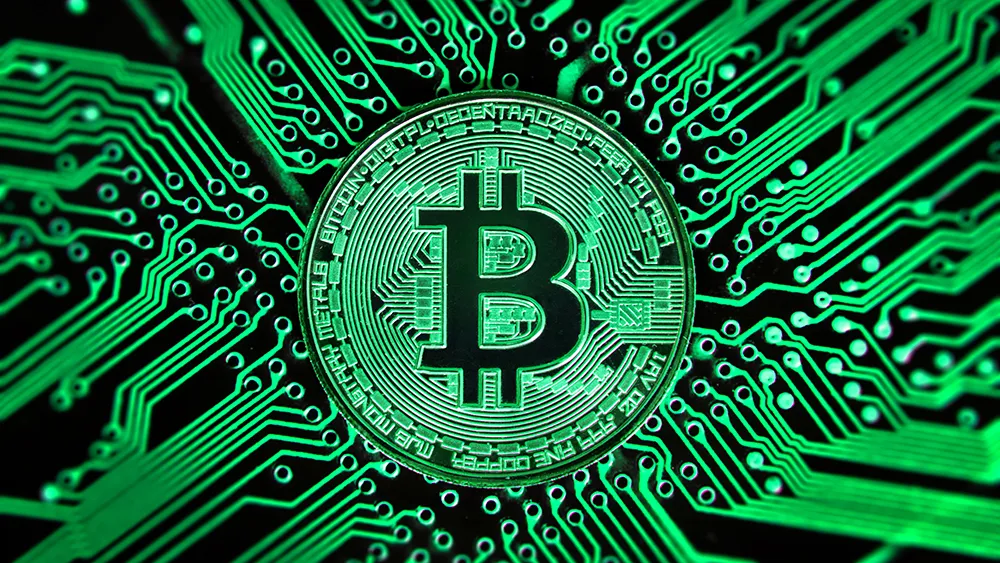
Cryptocurrency is essentially a digital currency exchange and digital payments platform that uses blockchain technology. The technological and digital revolution over the last few decades has meant that innovative payment systems have been created and utilised, and cryptocurrency is one of the major breakthrough payment systems for business and personal finance use. Whether or not cryptocurrency is halal or haram is a debate that is ongoing between Islamic scholars.
This article will examine cryptocurrency, Islamic interpretations, and the types of cryptocurrencies available.
Cryptocurrency
Although there are over 2,000 cryptocurrencies on the market now, Bitcoin is probably still the most known form of cryptocurrency in the blockchain market, and was the first cryptocurrency coin to go mainstream but there are other cryptocurrencies entering the market.
For Muslims across the Islamic world, the question arises as to whether crypto payment platforms are deemed to be halal or haram in the eyes of Allah and in accordance with Shariah principles, and whether as a currency it prevents money laundering. Whether or not cryptocurrency is halal or haram depends on the how a specific cryptocurrency aligns with the principles of Islam.
Cryptocurrency - Characteristics
One of the defining aspects of cryptocurrency is that there is no central authority such as a Government that authorises it or records it. Cryptocurrencies operate on decentralised networks using blockchain technology.
Most cryptocurrencies have a limited supply, or at least a capped supply. Transactions are transparent and traceable, but there is also a degree of anonymity of parties. One the main advantages of cryptocurrency is that it offers global accessibility. It can be received anywhere in the world - all you need is an internet connection.
For Muslims, cryptocurrency does tick a lot of the Islamic finances boxes when it comes to transparency and traceability. However, ultimately it is the duty of every Muslim to be seeking knowledge, and this guide will address the use of the cryptocurrency market and its intrinsic value.
This article will consider whether crypto currency is permissible as a form of actual money under Islamic laws and in the Islamic world. We will consider the views of Islamic jurists and scholars on this emergence of what is considered to be new money addressing the question of is cryptocurrency halal.ISLAMIC SCHOLARS INTERPRETATION - IS CRYPTOCURRENCY HALAL?
A comprehensive Islamic law interpretation, one that sparked a massive rise in Muslim investment in Bitcoin and Ethereum in 2018, was provided by Sharia advisor Mufti Muhammad Abu-Bakar (former advisor to Blossom Finance) who looked at the question of is cryptocurrency halal as a money supply. He argued that Bitcoin is permissible under Islamic principles.
Mufti Abu-Bakar considered arguments that crypto itself was speculative when it comes to personal finance, but his view was that all currencies have a speculative element and this did not automatically deem cryptocurrency as haram.
Crypto Currencies
Islamically, if a business does not have an element of appropriate loss probability within its assets is not strictly trading in a Sharia compliant manner. The Grand Mufti of Egypt, Shaykh Shawki Allam believes that cryptocurrency is haram and he is joined by other Shariah scholars from the Middle East and beyond including Shaykh Haitham Al Haddad who see crypto as high risk. Their argument is based on the notion that crypto itself does not hold enough credibility as a currency to be deemed to be halal.
However, many other Sharia scholars believe that crypto itself does confirm to Sharia money rules and Muslims are permitted to invest in crypto.
Islamic scholars who believe that cryptocurrency money and digital assets are halal include Ziyaad Mahomed, Shariah Committee Chairman of HSBC Amanah Malaysia Bhd, and Mufti Faraz Adam. These views lend credence to the notion that Muslims can invest in crypto.
Arguments in favour of crypto being deemed halal include:
- There is often a lack of riba (interest). Crypto operates on decentralised platforms without any central authority. This usually means there is no interest charged or payable.
- Crypto is used as a medium of exchange with a legitimate purpose in financial and economic transactions.
- Technologically, crypto is neutral. Scholars argue that it is the use of the crypto that determines if it is Sharia compliant or not.
- The fact that crypto is generally thought to be scarce means that it is easier to avoid speculation and uncertainty and this aligns with Islamic finance rules.
Islamic Scholars
As mentioned above, one of the main reasons Islamic jurists and scholars from Muslim countries argue that cryptocurrency is halal, is that the concept of the blockchain and other cryptocurrencies are inherently anti-interest when looked at from a money generation source or perspective. Crypto operates outside of conventional banking systems and interest-based transactions.
Islamic banking laws are also anti-interest so the technology, pricing, and buying and selling of cryptocurrency money is deemed halal by many Islamic scholars who rely on the teachings of Prophet Muhammad PBUH when seeking guidance about permissibility (ultimately, only Allah knows best).
Given that crypto has a finite supply, it is less likely to be subject to inflation. This means it can maintain a fairly stable value - again an important element of Islamic finance.
Crypto Blockchains And Islamic Finance Principles
Blockchains refer to the blocks of technology used to record digital cryptocurrency transactions. Blockchains act as a system of record and the reason this form of technology is so important is that it is virtually impossible to hack, change or cheat the blockchain platform or marketplace.
With the use of blockchain, centralized financial institutions and establishments are not needed as no central control is required. This also means that crypto trading (and the stock market) is more transparent.
According to many Islamic scholars and religious leaders, this addresses the question of is crypto halal within Islamic Finance rules and Islamic law more generally.
As cryptocurrency money is deemed permissible and halal under Islamic Sharia rules this has unlocked the crypto investment market to a global Muslim community with increasing numbers of Muslims with an interest in buying crypto and use it as a form of currency.
In terms of business practices, there are some basic principles (discussed in this article) relating to crypto and cryptocurrency trading that help many Muslims to decide if their entrepreneurial journeys and endeavours are permissible or strictly prohibited.
Consideration And Commercial Value - Is Crypto Halal Or Haram
From the perspective of Islamic contract rules, there must be an element of consideration when answering the question is crypto halal - there must be Mal. Mal refers to possession and effective storage, and cryptocurrencies meet the criteria required as they can be possessed and stored and have commercial value (Mutaqawwam).
Crypto is a real and viable digital asset, its worth and value lies in what is paid for it, and it is capable of being owned and traded commercially so the Shariah requirements are satisfied and the the question of is crypto halal can be answered.
Shacklewell Lane Mosque
The Shacklewell Lane Mosque in East London became one of the first mosques in the UK to accept cryptocurrency donations and Zakat contributions in 2018 during Ramadan. This mosque deemed cryptocurrency halal and permissible and generated a lot of interest on the topic of the permissibility of crypto more generally under Islamic law.
Digital Currencies, Money Laundering And Shariah Law
Islamic finance principles dictates that in order for income, or investing in any product or asset, to be deemed halal it has to meet certain criteria. The principles of Shariah law should be applied to the financial systems we operate in and there has been some discussion amongst Muslim scholars about whether rules devised centuries ago can still be applied to a technologically modern digital financial marketplace.
Whether cryptocurrency is halal or haram centres on the rules of Sharia law.
Is cryptocurrency halal? For many Islamic scholars, the answer quite simply is yes. Shariah principles can be applied to modern crypto analysis and digital currencies as they are based on social justice, accountability and ethics which transcend all forms of financial transactions. As long as there is no illegal activity, then trading or investing in crypto should not be deemed to be contrary to Shariah principles.
Investments, Islamic Banking Law And Illegal Activities
There has been some discussion amongst Muslim scholars around the use of cryptocurrencies for illegal activities such as gambling, drugs, and money laundering. Critics of Bitcoin also argue that it is not legal tender as it is not backed by any central government that assigns its value and maintains regulatory standards, and it is therefore deemed to be speculated trading.
However, Islamically the use of an item that is deemed halal for an unlawful purpose does not make the original item halal. Whether it is halal or haram depends on the multiple factors.
Currency Ownership
Ownership of the currency remains with the owner according to Muslim scholars, and the coins/tokens are kept in an e-wallet. This means that investors can take part in trading as and when they want, retaining control of their assets.
As mentioned above, the publication of the working paper conducted by Mufti Muhammad Abu Bakr clearly identified that cryptocurrency is permissible under Shariah rules.
For Muslims worldwide this could have huge implications for the payment of Zakat monies that are made to the poor and to charities globally. If Muslims make up 25% of the world's population and hold approximately £1.04 billion in bitcoins, this means that £26 million is due in Zakat contributions. [1]
Medium Of Exchange
Cryptocurrency operates as a medium of exchange across the globe. This means that it can operate in legally diverse and unpredictable environments, often making it more accessible than mainstream finance options. It is a valid form of currency that holds purchasing power.
Although vulnerable to market changes, crypto coins such as Bitcoin and Ethereum are deemed to be a legitimate medium of exchange, available for use in transactions and trading. Although crypto has not yet reached the status of being a globally accepted medium of exchange, it is fair to say that it is on the way to becoming so. Commentators expect crypto to appreciate over the course of time and to store value.
Cryptocurrency Guidelines
The development of Shariah compliant cryptocurrency guidelines provides Muslims with the opportunity for ethical investments. From a financial perspective, Islamic charities could benefit hugely from Zakat and other donations as a result of crypto investment.
Many banks and financial establishments globally are recognising crypto as a financially viable medium of exchange, and this makes it easier for investors to continue to trade, buy and sell cryptocurrency.
With billions of Muslims worldwide, and the growth of crypto, it seems clear that what is perhaps needed is some form of shariah compliant cryptocurrency guidelines for Muslims to follow. This would enable Muslims to assess themselves the validity of cryptocurrency when assessed against Islamic finance rules.
Contracts
In terms of whether contracts relating to crypto are Shariah compliant, given that the contractual relationships in crypto are based on smart contracts using blockchain technology, this means that the process can be made increasingly secure and automated.
This not only reduces administrative complexities, confusion and errors, but also ensures that banks are more likely to accept the contractual relationships created.
In demonstrating Shariah compliance, cryptocurrency is earning legitimacy across the Islamic finance world. Cryptocurrency agencies are springing up across the Muslim world such as One Gram in Dubai, and Hello Gold in Malaysia.
This adds further legitimacy to the rulings that cryptocurrency is halal and can be utilised by Muslims and Islamic financial institutions. Of course, there needs to be ongoing discussion to consider is crypto halal as it operated within a dynamic and changing industry.
As the crypto market continues to evolve more questions will need to be asked, and each crypto coin should be analysed against Islamic finance principles to check for permissibility. However, as things stand right now, crypto is recognised as an asset under Sharia law and this lends it legitimacy. The things to be careful of are making sure that any cryptocurrency you are involved in does not link to any haram things and industries or activities or any form of money laundering.
Whilst there is no central body who can make a final ruling on whether crypto is halal or haram, but as there is no element of interest (riba) and no exorbitant fees relating to crypto the interest from Muslims is growing. Crypto can be used within Islamic finance principles to make ethical investments and wealth management in a Shariah compliant way. This could unlock the cryptocurrency investment market to billions of Muslims worldwide who are looking to enter the crypto market as investors.
As the currency is still in its infancy it is important to keep an eye on all new developments and to assess and analyse changes in the marketSource:
[1] https://www.independent.co.uk/life-style/gadgets-and-tech/news/bitcoin-halal-london-mosque-donations...
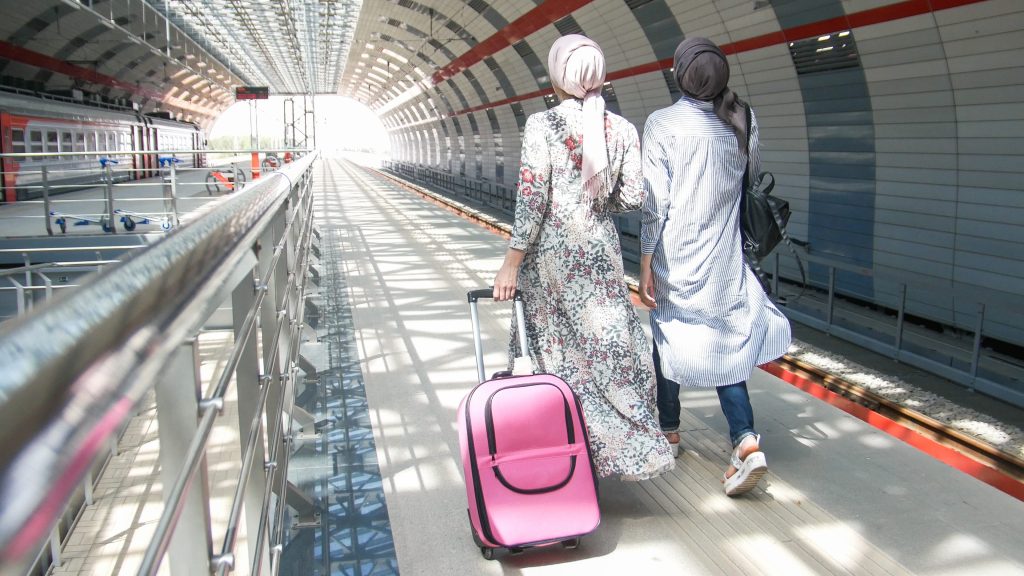
In the last few decades, the halal travel industry has seen a huge increase in demand. The intersection of halal travel and the Islamic finance industry has led to a huge market catering to the needs of Muslim travellers looking for travel options that are halal. This synergy between the two industries reflects the growing need for Islamically compliant travel options. Islamic finance is offering the halal travel industry with Sharia compliant finance options in order to widen the scope of halal travel products and services.
Whether you are travelling solo, as a family with children, for a meeting or conference, the demand for halal accommodation and halal travel is growing. As the demand grows so too does the availability of halal products and services on the market.
Halal Travel
It may seem like a growing trend, but the halal travel industry is here to stay. With millions of Muslims spread across the globe, and with higher levels of disposable income earmarked for travel, the halal travel industry is booming.
The halal travel industry includes a huge range of offerings and services. These services are designed to cater to the needs of discernible Muslims who want to ensure they are compliant with the requirements of their faith, but still able to travel and see the world.
It may seem to be a niche market, but the fact that the demand currently outstrips the supply in many countries shows that this trend is likely to grow. The demand is driven by a Muslim population that places value on authentic experiences and Sharia compliancy.
WHY DO WE NEED HALAL TRAVEL OPTIONS?
Halal travel is important for many different reasons. For Muslims who want to travel without breaching Islamic rules, halal travel offers the option of travel that aligns with personal beliefs.
However, the importance of halal travel goes beyond religious and personal preferences. It encompasses cultural, economic and social dimensions.
Halal travel helps to diversify the travel industry and create respectful and inclusive tourism experiences for Muslims. Not only that, but halal travel goes a long way in contributing to the cultural understanding, economic development, and ethical sustainability of areas in the world that are under-exposed and underprivileged.
The more we invest in areas that are suitable for halal travel the more inclusive we make the world. There are many issues facing different countries in the world, so opening them up to travel and Muslims travellers can boost the economy in a way that makes them a stakeholder in the economy and travel market.
Many Muslims want their money to be spent in countries that align with their personal values and goals. For example, Muslims would probably not seek to travel to countries with precarious political positions such as Israel.
There is a lot of information online that you can use to research travel options. More Halal Travel and Trade Fair conferences are popping up to help you make more ethical Sharia compliant decisions.
Family Friendly Holidays
The main aspect of halal holidays is that they should be Sharia compliant. However, halal holidays are also all about having a family friendly holiday. Most halal resorts cater to families and promote family activities.
This creates a welcoming environment for Muslim families looking to enjoy their break. Halal travel encourages diversity when it comes to travel and tourism. Exploring Islamic history and culture is a key part of halal travel and is increasing in popularity as the Muslim population continues to grow globally.
The increased demand for halal travel also contributes to global connectivity. It encourages and fosters relationships between regions, leaders and countries all actively catering to Muslims.
This interconnectedness is important in bringing unity to Muslims and ensuring that their needs are catered to. It is important to mention that halal travel also facilitates sustainable and ethical tourism. For example, Muslims are increasingly conscious of their environmental impact and they are encouraged to prioritise sustainability and ethical living in all aspects of their lives, including travel.
Principles Of Halal Travel
The key components of halal travel include the following:
- Halal package deals: travel agencies who offer halal travel must ensure that the package itself is halal. This starts at examining the way the company operates, so it must avoid any form of interest and ensure that the package is linked to travel that does not contravene any Sharia rules and adhere to the Islamic lifestyle.
- Accommodation: halal hotels are top priority when it comes to halal travel. Hotels and resorts should be able to provide facilities that permit and promote prayer and ablution. In addition, halal hotels offer segregated swimming pools and saunas and fully halal dining options. We would not expect to see any alcohol or pork in halal hotels.
- Itineraries: some halal travel operators go further and offer trips that offer Islamic and spiritual enlightenment.
- Muslim-friendly destination: of course, when looking for a halal holiday you would want to visit somewhere that is either in a Muslim country or is Muslim friendly.
- Islamic travel insurance: takaful, also known as Islamic insurance, is becoming more popular in the halal travel industry sector. It offers customers the option of obtaining insurance coverage that is Sharia compliant.
- Look for destinations that are not based on exploitation or unfair wage labour practices.
- When approaching halal travel companies, look at their leadership, their governance, the service they offer, the kinds of project they are involved in, and their Sharia compliancy.
- Don't be scared to ask questions of any halal travel company such as who do you bank with? What are your principles and morals and how do they align with Islam? Do they trips offer private spaces for women? What is their governance and decision making process and where do they feel success lies? Remember, our due diligence should include information on how the company runs and if it is ethical so feel free to have those conversations with any company marketing halal travel options.
There are already so many halal travel options and available in many a diverse region including Turkey, Indonesia, The Middle East, Malaysia, Egypt, Pakistan, and Bosnia. You will also find many a dedicated internet forum and platform relating to halal travel if you need more knowledge from a like minded community. Countries like Spain and India that have great Islamic history and heritage are also good areas to explore.
As the halal travel market continues to expand, so too does the list of options.
Islamic Finance And Halal Travel
Islamic finance is playing a large role in the growth of the halal travel industry. If the Islamic finance market had not seen such growth in recent years, then the halal travel industry would not have been boosted. Islamic finance provides the halal travel industry with access to Sharia compliant business and finance options.
The components of Islamic finance play a key role in shaping and supporting the halal travel industry through funding. This is done not only by influencing the way financial transactions are dealt with, but also by how to manage the economic landscape to remain Sharia compliant.Providing access to Sharia compliant finance means the Islamic finance industry can support halal travel companies.
Providing critical cash and capital ensures the halal travel industry can continue to grow. Not only is this good for international trade and partnerships, but it means Muslims can travel knowing they are not breaching the terms of their faith. Knowledge is important.
The growth in the market also means that there are opportunities for investors to indulge in socially responsible and ethical investments in the tourism and hospitality sectors. The halal travel industry has encouraged those with entrepreneurship to expand their horizons and widen the offerings currently on the market.
Halal travel continues to go through an evolution where the interplay of human beings wanting Sharia compliant travel converges with the travel industry to create the perfect package for Muslims. The halal travel sector relies on building relationships across the globe, and ensuring each product on the halal travel market is compliant and enjoyable. After all, many of us travel to a different area in order to explore and relax.
Halal travel isn't only about travel. It's about ensuring that there is attention to the holistic needs of travellers. This includes spiritual fulfilment, access to prayer, compliance with rules about segregation, assurance of halal certified products, and having some cultural resonance with the area visited.
Stay informed on finance
Subscribe to our newsletter for the latest insights on ethical financing