
How to get investors for your business

Starting a new business requires an investment of time, energy, commitment, and money. For any small business or startup company, the financial investment is what converts the original concept and elevates into a running business. However, securing the required finance to get your startup off the ground can be difficult, especially when the venture capital market is unpredictable or saturated. Funding is central to ensuring that the business can begin its operations, and it has the cash flow to pay for wages, suppliers, and equipment.
Money can often be one of the main limiting factors that prevent businesses from getting off the ground or launching properly. Many business beginners will not have access to the financial sums needed to build and expand their business. An injection of cash into the business means that it can start earning more quickly, and any profits can be reinvested into the business, thereby facilitating growth and profits.
Startup Businesses
Startup businesses can face many challenges when launching. Money can often be a barrier for new startups that can become overwhelmed with the costs of starting a business from scratch. Businesses that are new also find it difficult to attract investors or equity investments from private investors as they have no track record showing their performance levels.
New startups and small businesses may also find it difficult to raise funds via loans in the traditional financing route. Banks want to have a lot of information to support any application for funding, and many of them are more risk averse when it comes to small businesses and startups. This means that unless these businesses have personal savings to use, they can find it difficult to launch their business.
Sources Of Business Funding
Whilst there are some different options out there for those looking for startup funding, it is important to note that funding is dependent on many different factors. These can include the following:
- The strength of your idea
- The level of market research you have undertaken
- Leadership and their business ethos
- Early traction and users of your business
- Good advisors
Once you have a unique idea with a clear target market, and have considered all the points above and worked to strengthen them, you should be in a position to look for funding sources. Government statistics show that UK startups raised almost £2 billion of funding in 2021.Some common sources of business investment include the following:
- Banks
- Government lending schemes
- Grants
- Equity finance
- Angel investors
- Venture capitalists
- Business Partners
- Friends and family
- Savings
Let's have a look at the above in a little more detail.
BANKS
Commercial lenders have always been one of the more traditional routes to securing funding for businesses. Bank loans are an effective way of securing money and come with repayment terms you are familiar with. However, banks will always require some form of security and this can be prohibitive for new startups and smaller businesses who lack the security banks might require.
Securing financing through banks is far easier for established businesses than it is for new and startup companies, especially in unpredictable economic markets such as the one we have seen since the Covid-19 pandemic. This is one of the main reasons startups tend to look at alternative funding sources for their ideas.
GOVERNMENT LENDING SCHEMES
Government lending schemes are usually run in collaboration with banks and commercial lenders. You can find schemes that offer a percentage of the funding with the banks meeting the remaining funding required. Government lending schemes are a great source of funding as the terms are often far less stringent than those normally associated with commercial banks. The loan amounts for government schemes can vary depending on the type of business so always make sure you read the information carefully before you make an application.
GRANTS
Grants from the United Kingdom government tend not to be repayable but you should always check to see what the terms and conditions state. Grants are a great source of funding for small businesses as they can provide an essential cash injection. However, remember that grants usually require a detailed application that needs supporting information, and you need to be able to provide the information as quickly as accurately as you can. Grants are competitive and fiercely fought over so always make sure your application is the best it can be. You should also check to make sure that the grant does not require you to hand over any shares in your businesses, and what the time frame for using the money is.
EQUITY FINANCE
Equity financing refers to an arrangement whereby an investor invests in your business and in return they are given equity/ shares in the business. If the business makes profits, then these profits are shared in accordance with the equity arrangements, and if the business fails then there is no return of the funds to the shareholders who invested. It sounds simple, and in practice it is a simple give and take relationship. However, it can be difficult to find the right equity investor for your business.
ANGEL INVESTORS
Angel Investors are usually wealthy investors who have the funds to provide to small or startup businesses in return for business equity, or shares. Angel investors tend to use their own net worth in order to fund projects in a private equity type arrangement. Angel investors tend to invest their finances in smaller or startup businesses for minority stakes, rather than investing in large businesses where their financial impact is lessened. They also typically invest their experience and knowledge in the business to enhance its success and are usually involved in multiple ventures at the same time.
VENTURE CAPITALISTS Venture capitalists tend to favour larger businesses with high growth predictions. In return for their investment, they receive an equity stake. Unlike angel investors, venture capitalists do not use their own personal funds, but instead they use an investment fund to finance projects and businesses. Venture capitalists focus their investment within industries such as technology, life sciences, and digital media.
BUSINESS PARTNERS
Having a business partner is a smart idea for any new startup. Not only does it mean that you have a partner to share ideas and concepts with. It also means that you have support when it comes to financing, operating and managing the business. Many business partners have a finance background and provide analysis and support to the business, becoming a trusted advisor. For a successful business partnership, you need to have a mutual vision for the business, commonality, and compatibility.
FRIENDS AND FAMILY
Although this may seem like an easy and obvious funding option, using friends and family as a source of investment can be problematic. Unlike borrowing from a bank, taking money from friends and family does come with a lot of additional stress and pressure. However, if you do have friends and family that believe in your business vision and want to invest this can be a good source of raising money quickly. Of course, with new ways of network funding such as crowdfunding and patreon, there are different ways of using your own networks to secure funds.
SAVINGS
Many new entrepreneurs struggle to secure funding and dip into their own savings. This can be risky as there is no guarantee that your business will succeed and you will recover your savings. Using savings might be one of the easiest ways to finance your business, however you may not have all the funding you actually need. Also, the UK business industry is heavily regulated so it is not simply a case of putting your savings in and being able to take them out when you want. Business laws, regulations and guidelines dictate how business finance operates so make sure you have this knowledge before investing your own savings.
What To Do Before Seeking Funding
These are the steps you need to take before you seek our funding options and sources:
- Business plan - make sure your business plan is robust and refined. It should include a summary, a pitch, forecasts, income and expenditure predictions, business process, scalability, market research and strategic management strategies, and projections.
- Accountant - it is essential that you have a good accountant on board so that your financial planning and business service economics planning is robust and considered. A good accountant will help you throughout your business's growth and can provide you with important information about the valuation of your business, taxes, and financial obligations.
- Credit scores - check your scores and improve them if you need to. In fact you should get all your personal finances in order.
- Consider the range of financing options available to you and narrow down the ones that apply to your business.
- Perfect pitching - prepare your pitch and practice it. Remember, if you don't know your business inside out then it is likely that any potential investor could lose interest. Your pitch does not have to focus on sales or products, but it must be convincing and provide real time information.
- Create a website and start networking and sharing your ideas on various platforms, sharing and gathering data, and building momentum for your idea. Your first customers will probably come from word of mouth or networking so get to work as soon as you can.
Explore more news
Wills
A will is a legal document that sets out the wishes of a person with regard to the distribution of their wealth, income, and assets once they pass away. An Islamic will is a will that documents how your wealth, property, and gifts will be distributed when you die and is prepared in accordance with Islam and Sharia law. The last will and testament specifies exactly what happens to your assets and wealth when you die. What you leave behind is known as your estate, and this inheritance will be passed down to those mentioned in the will upon your death.Islamic wills are also known as wasiyyah, and are one of the many important elements of Islamic financial planning.This article will discuss Islamic wills, why they are important, and how to ensure you have one prepared.
Wills In Muslim And Non-Muslim Countries
Islamic wills are used by Muslims who want to ensure that their finances and responsibilities are dealt with in a Sharia compliant way once they have passed. In Muslim countries, the rules of the country dictate the laws of intestacy, which is the law that will apply on the death of a person.
However, in non-Muslim and western societies (such as the United Kingdom) where Sharia law does not apply, Muslims look to having an Islamic will in place before their death to ensure that it complies with their Islamic obligations and the rules stipulated in Islam when it comes to inheritance.
Why Islamic Wills Are Important
For Muslims, it is critical that they have an Islamic will in place before they pass away. Not only is the importance of having an Islamic will highlighted in the Quran it is also mentioned in the hadith.
If a Muslim does not have an Islamic will, this means that their property and wealth will not be distributed in accordance with Islamic Sharia rules and regulations.
Islam places great emphasis on making sure you live your life in an orderly manner, and this duty for orderliness and preparedness also applies to leaving this world.
If a Muslim dies without having made an Islamic will then they should expect their wealth to be distributed by the rules of intestacy of the country they live in. In the UK and the United States, the rules of intestacy are not in line with Sharia rules and are therefore not Sharia compliant.
Importance Of Having An Islamic Will
It is especially important to have an Islamic will for those with dependants, a spouse, children, or other beneficiaries. Not only will an Islamic will deal with the distribution of your assets, it will also ensure that any charitable donations you wish to make are dealt with, but your family is provided for adequately, and your funeral is managed in line with your wishes.
It is always best to make your Islamic will as early as possible, and whilst you are of sound mind.
The incentive in doing this is that once you sort your will it can remain in place until you die unless of course you decide to make any changes in which case your Islamic will can be updated.
Dying Intestate
If you die without a will in a non-Muslim country then the intestacy rules of that country will apply. For example, in England, if you have no surviving relatives then your estate will automatically pass to the Crown.
Dying intestate not only means that your assets will be distributed without your instructions, but it also makes dealing with your estate long-winded and difficult. It can also take months and sometimes years to unravel the estate and distribute the assets.
Usually, a close member of the family such as a spouse or parent has the legal right to distribute and manage the estate and the real property within it.
Islamic Wills Explained
An Islamic will is a legal document that will outline how a Muslim's assets will be distributed on their death. What sets the Islamic will apart from the traditional will is that the Islamic will is drafted based on the guidance and rules set down by Islam and Sharia law.
The Islamic will not only deals with the distribution of your assets but should also cover what happens to your debts and monies you owe to third parties.
Islamic wills should always comply with Islamic laws of inheritance, this is why you need to use the services of a solicitor who understand Sharia law and compliance.
Islamic Laws Of Inheritance
Islamic laws relating to inheritance are set out in the Quran and the teaching of Prophet Muhammad (peace be upon him).Some of the main principles of Islamic inheritance laws are as follows:
- Equality - a key component relates to equality between female and male heirs. Sharia rules state that male and female heirs should receive equal shares in the estate of the deceased
- Differentiating between debt and assets - debts and assets should always be separated and any debt should be settled before any assets are distributed to heirs and beneficiaries
- Shares - Islamic rules and guidance states that there are certain heirs (such as husband / wife/ children) who are entitled to what is considered to be a mandatory share of the estate
- Beneficiaries and heirs - for those writing and preparing wills, they should be mindful of the determination of heirs. That is those heirs who are specifically entitled to a share in the deceased estate (this includes spouses, children, parents, and grandparents)
Requirements Of Islamic Wills
When it comes to Islamic wills there are some key principles you need to be aware of:
- Compliance with Sharia law - make sure you know and understand the intestacy rules of the country you live in. Do not just assume that Sharia rules apply, do your due diligence and make any relevant inquiries
- Finding the right professional - when it comes to writing the will you should always seek the services of an Islamic lawyer who understands Sharia rules and the Islamic distribution of assets. The cost and expense will likely be the same as appointing a non-Muslim probate solicitor.
- Writing the will - the wording in the Islamic will should be clear and concise with no room for ambiguity or uncertainty
- Signing the Will - make sure your signature is applied in the right place and witnessed by two credible, Muslim witnesses. The last thing you want is for your will to be challenged in the future.
- Review - once your Islamic will has been prepared and signed you should review it periodically to make sure it still meets with your requirements and wishes.
Why Islam Recommends Having An Islamic Will In Place
There is a huge emphasis in Islam for Muslims to have an Islamic will. Ensuring that our assets and property are distributed in accordance with Sharia principles is the last legacy for Muslims before they exit this world and enter the next.Every Muslim will want to leave this world and leave their estate in a way that pleases Allah.
Benefits Of Islamic Wills
For Muslims, the main benefit of an Islamic will is that it ensures the estate is distributed in accordance with Sharia rules.Let's have a look at the main benefits of having an Islamic will prepared:
- Islamic estate planning - as mentioned above, there is peace of mind knowing your estate will be managed as per your wishes
- Islamic compliance - Islamic wills are Sharia compliant
- Avoids disputes - having the Islamic will prepared means that disputes about the distribution of your assets in the future are minimised
- Protection for heirs - of course, having the will ready means that your beneficiaries are protected and your assets, property, gifts, and money are shared in accordance with your wishes
- Burial - your Islamic will can outline plans for your funeral and burial and make sure it is all done in an Islamic way and in accordance with your belief and choice. This not only gives you reassurance but also makes the whole experience easier for those you leave behind.
In addition, Islamic wills can also address the importance and appointment of a legal guardian when minor children are left behind. Islamic law states that a legal guardian should be appointed in accordance with the best interest of the children.
Islamic wills can deal with such appointments, and this means that your son or daughter will be adequately supported by your nominated guardian.
ISLAMIC WILLS - WHAT IF THERE IS A DISPUTE?
If you find yourself in a situation where there is a dispute relating to an Islamic will then the first thing you should do is seek the services and advice of a professional Islamic wills lawyer.
Your lawyer will be best placed to advise you of your options, and many of them offer telephone call consultations and advice. If the dispute cannot be sorted via discussion and negotiation with the other parties involved, then you could seek a resolution through the Islamic Sharia court system.
Sharia courts are able to deal with disputes and help resolve disputes in accordance with Islamic principles.
What you should remember though, is that having a well-drafted, water-tight Islamic will means that it is less likely to be challenged or to lead to disputes in the future.
A good professional solicitor with knowledge of Sharia principles will help you prepare your Islamic will and ensure that it meets your requirements and remains Sharia compliant.
You should also make sure you speak to a financial expert who can advise you about tax planning making sure your property, assets and money are distributed in the most tax efficient way. Inheritance tax rules differ from one country to the next so it is always important to understand how they will impact you.
In addition to this, you should also consider having an executor you trust and who will abide by your wishes. The executor could be your solicitor, your child, or your parent, sibling, husband or wife.
Always be conscious of the fact that the rules about inheritance laws vary from one country to another, so always make sure you have the correct information you need. Seek the advice and opinion of a lawyer who specialises in Islamic Sharia law and Islamic wills.


The emergence and growth of blockchain and Sharia-compliant finance has led to a debate about whether blockchain is Sharia-compliant. Both Sharia-compliant finance and blockchain are based on the same central components of fairness, transparency, accessibility and decentralisation. These similarities have led to an uptake in blockchain from Muslim markets and businesses.
What is of critical importance for those wanting Sharia-compliant finance options, is that blockchain is compliant with the rules of Islamic finance and financial transactions.
WHAT IS BLOCKCHAIN?
Blockchain is a decentralised system where records of cryptocurrency transactions are maintained and linked. This form of digital ledger technology enables transparent and secure transactions across computers.
The ledger, or digital database, acts as a growing list of records (blocks) that are all linked together. Since Bitcoin and Ethereum became known worldwide, so too has recognition of blockchain platforms and their purpose.
Blockchain - Key Features
The key features of blockchain are:
- decentralised databases: no single entity controls the data and this means it is resistant to manipulation, fraud, and censorship
- Immutability: once a transaction is logged onto the blockchain it cannot be deleted or changed.
- Transparency: all the transactions that are recorded on the blockchain are visible and transparent to all the participants in the network. This enhances transparency and authenticity.
- Secure: as each digital transaction is verified by participants being they are added to the ledger this prevents fraud and unauthorised transactions.
- Smart contracts: blockchain includes smart contracts that self-execute and automatically enforce terms. This means the room for error or fraud is massively reduced when compared to traditional contracts.
Sharia Rules And Blockchain
For Muslims looking for Sharia-compliant financial solutions, blockchain is becoming a viable option. Blockchain technology offers Sharia-compliant finance that offers transparent and secure alternatives that are compliant with Islamic rules relating to financial transactions.
According to Islamic finance rules, blockchain technology is considered to be a fairly neutral database tool that stores records in a transparent and secure way.
Sharia rules as they relate to financial transactions require adherence to Islamic finance principles that relate to ethical conduct and social responsibility. Key elements of prohibition include a ban on interest, speculation and investment in haram industries and practices.
Blockchain technology, as a secure and decentralised ledger system, certainly meets the Islamic finance standards of transparency and security. However, when assessing if any technology is truly compliant with Sharia rules several factors should be considered including the nature of the financial transaction taking place, the underlying assets, and the consensus mechanisms.
WHAT MAKES BLOCKCHAIN SHARIA-COMPLIANT?
Sharia-compliant finance revolves around fairness, equity, transparency, and risk sharing. Any blockchain technology or service needs to comply with these principles and be free from interest and speculation.
The development of currencies that are Sharia-compliant and based on blockchain technology is fast-moving. For Muslims looking for adherence to Islamic rules, blockchain is quickly able to verify transactions with a clear and traceable ledger.
It is important to note that not every blockchain transaction will be Sharia-compliant. This is in the same way that not every bank, project, return, investment, platform, and digital asset will be Sharia compliant. The compliancy will lie in the type of transaction and nature of the deal.
Islamic Finance And Blockchain
The interplay of blockchain and Islamic finance is interesting. Not only does it present opportunities to transform and innovate the industry, but it also means that blockchain-based solutions can now facilitate Sharia-compliant transactions.
Blockchain facilitates fractional ownership, asset management, and efficient cross-jurisdictional and cross-border transactions. The transparent ownership and financial records and real-time settlement blockchain offers is compliant with Sharia rules.
Put very simply, blockchain technology and platforms support Islamic finance initiatives and businesses. This means Muslims can use blockchain to invest and transact.
Zakat And Blockchain Potential
For Muslims who want to comply with one of the five pillars of Islam, zakat, blockchain technology has a great deal of potential in enhancing and facilitating compliance with this pillar. Not only can blockchain enhance the administration of zakat money, but it can also help and provide value in the administration of zakat.
Blockchain technology streamlines the distribution of payments ensuring that zakat transactions are fast and transparent. By recording zakat on immutable ledgers that are visible to all participants, blockchain is being used more and more by Muslims across the globe.
People are easily able to trace and audit their payments and zakat transactions, tracing the flow of their funds. What's more, it is easy to check if your zakat contribution is affecting those in need in the most appropriate way. This greater visibility provides clarity and precision for donors.
Blockchain has the potential to revolutionise global zakat payments by using methodology that increases efficiency, transparency, and seamlessness. Donors are able to maximise their donations automation and traceability.
Supply Chain Management
When it comes to business operations and analysis of Sharia-compliant methods, blockchain provides immutable records.
For Muslim business owners and customers, making sure of authenticity is key when it comes to analysing the halal elements of any dealing.
Blockchain technology can validate halal certifications and methodology throughout the supply chain. This provides a verifiable audit trail and ensures that Sharia-compliancy can be checked.
Blockchain And Sukuks
Blockchain technology ensures that Islamic bonds (sukuk) are transparent, secure and fully Sharia-compliant. As blockchain enables real-world assets such as property and commodities to be tokenised.
Sukuk issuers can then tokenise the assets backing each sukuk, making sure that each token issued represents a percentage share of ownership. What this means in Islamic finance terms is that the sukuk is backed by tangible assets or services, making it compliant with Sharia rules.
In addition, each sukuk issuance and transfer is recorded on the digital ledger and this helps to verify authenticity along the chain of ownership and eliminate fraudulent or speculative activity.
When used properly, blockchain can be set up to automatically screen for Sharia compliancy for users. This screening not only screens for Sharia compliance, but also verifies participants.
This level of transparency is highly encouraged in Islamic finance transactions.
Islamic Finance Asset Management
Blockchain can be used to enhance Islamic asset management portfolios. By streamlining settlement of money, blockchain enables real-time settlements of transactions. Platforms dedicated to blockchain encourage peer to peer engagement and transactions and this eliminates the need for intermediaries and third parties.
What this means is that asset management becomes more transparent and more streamlined. The level of risk is reduced, and overall efficiency is improved.
Management Of Waqf
Waqf, Islamic endowment, is the act of dedicating or endowing a property for charitable, community, or religious purposes.Using blockchain, the management of waqf can be delivered in an easier and more efficient way.
This is done via platforms that provide traceability, authenticity and audit trails.
Ethical, Safe And Decentralized
Using blockchain properly means products and services can become more transparent and screened for Islamic adherence. Investors and organisations can use blockchain technology to enhance the efficiency, integrity, and accessibility of Islamic finance solutions.
Blockchain is emerging as a safe and ethical partner for Islamic finance products and services. The hybrid of modern blockchain technology, cryptocurrency, and long established Islamic principles of exchange is a welcome one for the finance world.
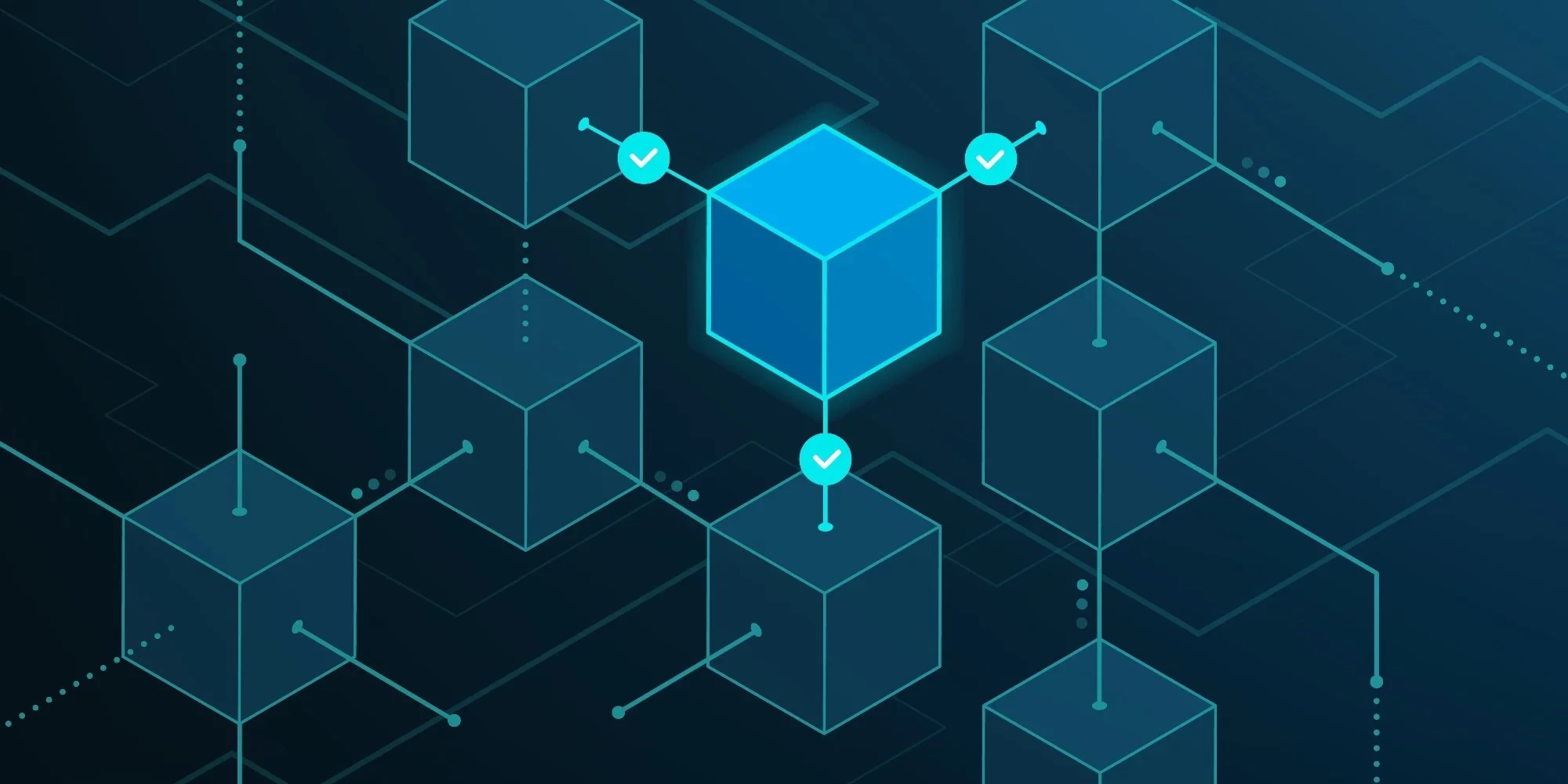
In the fast-paced and dynamic world of cryptocurrency and blockchain, staking is emerging as a popular way to earn passive income. This has led to discussions and debate about whether staking crypto is halal.
This article will examine the concept of staking and the considerations relating to whether it can be deemed to be halal.
WHAT IS STAKING IN CRYPTOCURRENCY?
In cryptocurrency staking occurs when investors lock cryptocurrency for a specific period of time. This is done to support the blockchain operation. The investor will lock in their digital tokens to a specific blockchain network and in return, they will earn rewards.
For the blockchain network, it means that transactions can be validated and for investors and individuals it means they can earn rewards without having to sell their crypto.
In comparison, bitcoin and staking are not linked. Bitcoin tends not to use the staking mechanism. Instead, it uses the proof of work mechanism where miners compete with each other to problem solve maths puzzles to validate transactions.
Any locked up cryptocurrency acts as collateral to support the blockchain network. This means that it is no longer available for use and therefore staking reduces the liquidity of the asset that has been staked for any given project.
HOW DOES STAKING WORK?
Crypto staking is a consensus-based mechanism. It enables token owners to validate a crypto chain by adding blocks. Using existing crypto to validate holdings as proof of stake on a blockchain.
Any newer blocks are also validated using the proof of stake mechanism. As the crypto funds are effectively locked in for a period of time this supports the activity of the blockchain. For the investor or asset owner who are using the blockchain platform, they earn staking rewards which are similar to earning dividends on their assets.
There are two main forms of staking:
- Independent staking : this method is used when an individual deposits their crypto token as a single and sole validator on a blockchain. There is usually a minimum token threshold. For investors using this form of staking they aim to benefit from being the sole beneficiary of rewards earned.
- Staking pools: staking pools are when there are a group of people who effectively pool their crypto tokens. This is the preferred method for newcomers to staking who want to share the risk with others.
Staking involves contractual terms that identify the obligations and the rights of the parties in the staking process. These terms can vary depending on the nature of the staking.
Sharia Compliance And Staking Crypto
Islamic finance provides the conceptual and foundational basis for operating financial transactions in line with Islamic rules. Operating in an Islamic finance framework means you use your finances to ensure you manage funds in an ethical and socially responsible way.
When considering crypto staking, it is important that you do all your due diligence. Investors or those staking their crypto need to understand the mechanism of staking and screen it for Sharia compliance. You need to fully understand what happens once you deposit your crypto onto a blockchain network.
In a proof-of-stake system, any crypto being staked is used to strengthen the consensus based network and improve the integrity of it. The profit is made from the rewards you receive for investing in the blockchain's sustainability.
Always make sure you understand the level of risk involved, the projects involved and the legitimacy of the network before staking your assets. A problem could arise if the blockchain itself is deemed halal but further down the line it starts to become involved in haram industries. Management of your crypto wallet should follow the same Islamic principles as your physical wallet. This requires ongoing due diligence.
Considerations
As a starting point, you need to ensure that the blockchain is not associated with any haram industries such as gambling, alcohol and pork. Look for morally sound initiatives and well-researched projects that have already been screened.
Another important point to consider is riba / interest. Whilst earning rewards via staking is not considered to be riba, examine the structure and payment of the rewards you will be generating. For many, staking a deposit is not seen as a loan so interest cannot therefore be generated. The reward is seen as the benefit of a joint endeavour, as more people join the blockchain, more rewards are achieved. The purpose of the stake is to improve the legitimacy of the network and to maintain it.
Another consideration is the governance and the values of the blockchain platform. Make sure that the governing values are ethically sound.
IS STAKING HALAL?
Consider all the advice in this article, but in particular, if you want to determine if any staking activity is halal you need to evaluate the halal status by ensuring:
- there is no interest / riba involved in the staking or the investment of any capital
- There is no excessive uncertainty or ambiguity - the terms required must be clear
- look for ethical compliance
- focus on asset backed transactions and stay away from gambling
- seek an expert opinion
- review the market the blockchain might be linked to and evaluate it for Sharia compliance
- review the other users of the blockchain
- make sure any incentive being offered is halal
- check the governance, infrastructure, platform and protocols being used
- learn all you can about your stake and the price
Staking in its traditional form does not currently involve any kind of loan or interest. There is no borrowing of money or any interest payment. Essentially, the software involved generates tokens as rewards. These rewards do not impact or come from any other users currency so there is no exploitation of others via investment or trading.
Practical Steps For Muslims Considering Staking
For anyone looking to stake crypto, it is essential that you seek guidance from scholars who are fully aware of Islamic finance concepts and principles when it comes to money matters. Look for blockchain platforms that are already established within Islamic networks.
Some of the benefits of crypto staking include having the opportunity to earn additional tokens (passive income). Also, as you are contributing to the security and efficiency of the blockchain network this could be seen as strengthening the decentralized platform for others.

Stay informed on finance
Subscribe to our newsletter for the latest insights on ethical financing