
Can Muslims invest in gold

CAN MUSLIMS INVEST IN GOLD?
The Accounting and Auditing Organisation for Islamic Financial Institutions (AAOIFI) is widely recognised as a global leader of maintaining Islamic finance standards.
The rulings of the AAOIFI are accepted across Islamic markets. the AAOFI has led to many Islamic finance and Sharia-compliant gold products and services including investment options and accounts, EFTs, gold saving plans, and spot contracts.
IS INVESTING IN GOLD HARAM IN ISLAM?
According to the AAOIFI, there are certain standards that should be met when any Muslim considers investing in gold. These include the following:
- Gold should be traded on a hand to hand basis
- Gold can be jointly owned
- Gold ownership can be constructive or physical
- In each case, the gold should be completely allocated (with no ambiguity re ownership)
- Allocation can take place through settlement, certification, confirmation, or receipts.
Under Sharia rules, gold trading is haram if the following criteria are not met:
- the exchange of any metal including silver for silver and gold for gold must ensure that they are of equal weight and worth
- there must be an on the spot cash payment (no future options)
It is also very important to note that there can be no element of interest (riba) in the trade. When it comes to futures and options riba can sometimes occur in the deferment of the delivery or in the payment structure. To ensure riba is avoided, make sure the deal or transaction takes place and completes on the spot
WHEN IS GOLD TRADING NOT HALAL?
It is important to remember that whilst gold trading is deemed to be halal, speculative trading or gambling of any nature is not permissible in Islam.
For example, gold trading that involves futures and options contracts which usually involve elements of speculation could be deemed to be haram.
Under Sharia rules, a key component of compliance when it comes to investment and trading is that the asset should be physically backed. This is easy to achieve with gold as it is a real physical asset.
However, Muslims need to be aware of the Islamic finance rules relating to investment and trading, and the fact that gold is deemed to be a rabawi item.
This means that gold in itself cannot be traded for speculative purposes or future profit. It is halal to use gold as medium of exchange and a form of cash. Also, it is permissible to own gold as jewellery.
HOW CAN I INVEST IN GOLD IN A SHARIA COMPLIANT WAY?
To invest in a Sharia-compliant way you need to make sure that you comply with Islamic finance investment principles. You have to ensure that any investment portfolio is secured and managed in the correct way. Consult knowledgeable experts and ensure you understand Islamic finance rules.
Make sure of the following:
- Use a credible and acceptable form of payment. This could include bank transfer, bankers draft, cash, coin, or Sharia-compliant credit.
- The gold must be physical in the form of jewellery, gold coins, or bars.
- delivery and completion of the transaction and finance should occur on the spot
- Work with reputable agents who have verified transactions and parties and can validate the Sharia compliancy. In the UK and worldwide there are many banks and agents who are certified to work within the Islamic finance market.
- Whether you are a seller or a buyer, make sure you undertake your own due diligence and the terms of any investment are clear before you sign up to deal.
Managing and investing wealth in a Sharia-compliant way is the responsibility of all Muslims. It is imperative that Muslims ensure that as customers, sellers, investors, and buyers they are working towards compliance with Islamic rules and learning information about gold trading.
ARE GOLD CHAINS ALLOWED IN ISLAM?
Muslim men are not permitted to wear gold jewellery or adorn themselves in gold in any form. They are allowed to wear silver jewellery or jewellery made using stones.
Muslim women, however, are permitted to wear gold chains and jewellery.
When it comes to white gold, the ruling is the same. It is not permissible for men to wear white gold. This is due to the fact that white gold has high percentages of gold within it. This also applies to gold plated jewellery or any design or jewellery that contains gold as its main component. For Muslim men, it is best to stay away from gold jewellery.
HADITH RELATING TO GOLD?
One of the well-known hadiths relating to gold in Islam is the one relating to the Prophet Muhammad (PBUH) where he states that:
"Gold for gold, silver for silver.... like for like, equal for equal and hand to hand, then you may sell as you wish..'.
This hadith sets out some guidelines for transacting on gold and silver.
IS IT A GOOD IDEA TO INVEST IN GOLD?
There are many a website and platforms available that can provide you with information relating to investments and trading.
Gold trading is halal in Islam, and with gold prices increasing at high rates in the last few years alone, it is always a good idea to invest in gold. When it comes to the actual investment, there are many different options for Muslims looking to invest in a way that is Sharia-compliant and also yields a good return on investment.
Investing In Gold - Tips
There are various ways you can start to invest in gold today:
- look for reputable companies and agencies to use
- hold bullions or coins (or even shares)
- buy gold jewellery
- research and review EFTs and how they work
- avoid any form of riba
- focus on investing in physical gold
- diversify your investments
- consult Islamic scholars
Make sure you understand and make plans for the storage of any gold you buy. It is difficult and risky to store large amounts of gold (or any asset) at home so seek out storage companies who can help you.
HOW PROFITABLE IS GOLD TRADING AND IS GOLD TRADING HALAL?
Gold trading has always been profitable. Whether you trade in person or online, you need to understand that gold is expensive, and so trading and investment in it comes with its own costs. For example, spot price for gold can range between 5-10% so bear this in mind.
The easiest way to invest in gold is to actually buy it. Another great form of gold investment is EFTs. There are a wide range of Sharia-compliant EFTs on the market in the UK, USA and worldwide.
If you are looking at buying bullion and bars then this can be done via companies that can hold the gold asset for you.
IS LEVERAGE TRADING HALAL?
Leverage trading refers to borrowing funds in order the increase or amplify the potential return on any investment. As with any kind of trading, it is deemed to be halal as long as it conforms to Islamic rules about trading.
When you leverage trade you are borrowing cash to exchange with. This comes with greater risk than not borrowing. Is Islam, leverage trading would be deemed to be haram if interest is charged, or if the dealer of the leverage is using it for speculative activities.
As long as you use a halal broker who understand the Islamic finance rules, then leverage trading can be halal. In recent years the Islamic finance sector has created Sharia-compliant services that offer leverage trading or services similar to it.
More on ethical finance
Explore related perspectives on building sustainable business
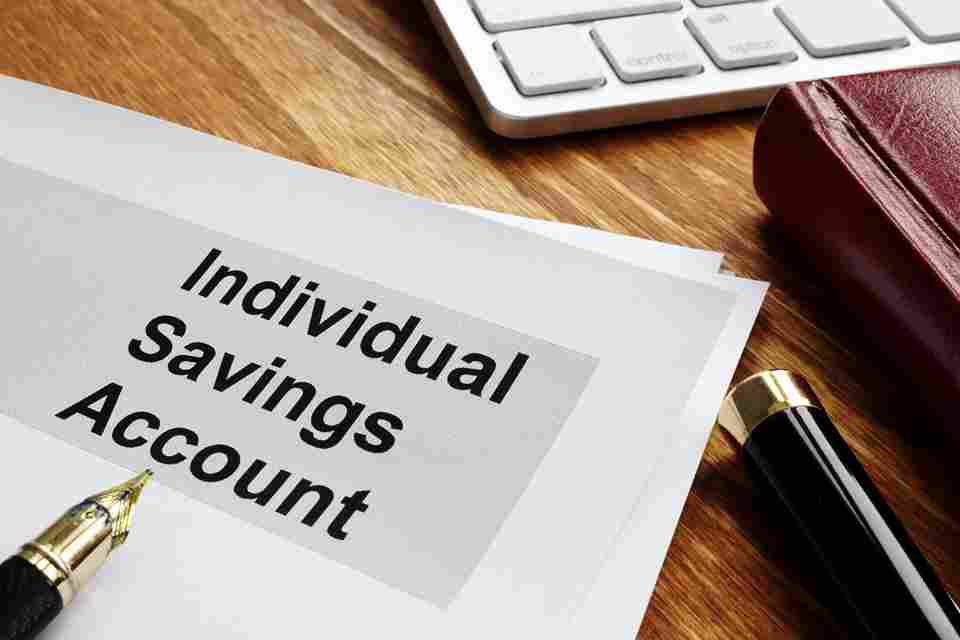
WHAT IS AN ISA?
An ISA is an individual savings account. The aim of an ISA is to encourage people to save money and invest in what is considered to be a tax-efficient way.
Having first launched in the United Kingdom in 1999, ISAs have become a popular way to prepare for your future by making sure you have savings set aside.
Anyone over the age of 18 in the UK can apply to open an ISA, and for anyone under the age of 18 there are options to open a junior ISA account.
The main things to note with ISAs accounts are as follows:
- You can only open one ISA per tax year
- There are limits to how much money you can put into your ISA each year
- The current ISA limit is £20,000
SHARIA-COMPLIANT ISAs
Sharia-compliant ISAs are essentially ISAs that comply with the strict Sharia rules relating to finance and savings. There can be no element of riba or interest as this is not allowed in Islam.
In addition, a halal ISA must ensure that any money generated comes from halal business and investment opportunities. So if you have a stocks and shares ISA you must ensure that the investment fund only invests in Sharia compliant companies and is not involved with industries that are deemed to be haram such as the porn, alcohol, and gambling industry.
The foundation of Islamic finance rules is that money itself has no intrinsic value. It is simply seen as a medium of exchange, therefore it cannot generate money by itself (hence the principle of interest being forbidden).
WHAT ARE THE ISLAMIC FINANCE RULES THAT APPLY TO ISAs?
As mentioned above, money held in Sharia compliant ISAs cannot attract nor pay any interest. In addition, any money held in a halal ISA must be invested ethically under Islamic finance banking rules.
A good bank that is Sharia compliant will go to great lengths to ensure it remains Sharia-compliant and in line with Islamic finance rules. For example, it will steer clear of businesses and industries that are deemed to be haram and unethical (such as gambling, weapons, and alcohol).
A Sharia-compliant will ensure no interest is paid on your ISA, and that you are not charged interest. Instead, many banks will pay what is known as an 'Expected Profit Rate' This is deemed to be profit that is earned on the savings (as opposed to interest which is accrued).
WHAT TYPES OF HALAL ISAs ARE AVAILABLE?
There are a variety of ISAs that are available on the market. These include the following:
- Stocks and Shares ISAs: also known as investment ISAs, these types of ISAs invest your savings into investments including stocks, shares and commodities.
- Cash ISAs: these work like a traditional savings account.
- Lifetime ISAs are popular with people saving for retirement or their first home. They are only available to those over 18 and under 40 years old.
INVESTMENTS AND ISAs
Sharia-compliant banks will invest your money into those ventures that are deemed to be halal and Sharia compliant. Any money that is generated from this investment is then returned to investors.
For cash ISAs, the important distinction between standard ISAs and halal ISAs is that no interest is payable on halal ISAs.
Banks offering their customers halal ISAs will ensure that they have lots of information about the businesses linked to their ISA investments, and potential opportunities are screened for compliance with Sharia rules. Any bank offering Sharia-compliant products and services will have a dedicated team who is responsible for the management and screening of the product against Sharia principles and providing advice about the products.
As ISAs are seen as tax efficient this is a big draw and incentive for people to open an ISA account.
IS MONEY IN A HALAL ISA SAFE?
There are various different banks in the United Kingdom that offer their customers and investors halal ISAs. They include Al Rayan Bank, Ahil United Bank, and Gatehouse Bank. There is further information about the ISAs on the website of these banks. ISAs in the United Kingdom are regulated by the Financial Conduct Authority.
Halal ISAs are available to Muslims and non-Muslims and offer what is considered to be a decent return on investment. Any provider offering halal ISAs and any other Islamic finance product or service in the UK will need to be registered with the regulating authorities and follow the guidance that applies to any company offering financial services. This means that customers have some peace of mind in the event of a collapse.
You should always make sure that any investment product you are interested in is offered by an institution that is regulated. Under UK law, this means that the Financial Services Compensation Scheme protects investors savings of up to £85,000 in the same way as they would be in a traditional bank.

When it comes to investment strategies, ethical investing (also known as impact investing) is gaining traction. Some commentators have credited the likes of Greta Thunberg for the increase in demand for impact investment products, but this type of investing has been around for centuries in religious communities and societies.
Impact and ethical investments concentrate on approaches and strategies that facilitate inclusion and integration. As a result, the transaction has a positive impact on the social and economic environment. The investment itself is deemed to be one which benefits the investor and the wider community.
For investors looking to align their ethics and values with their financial output, they want to be sure that their portfolio grows in a sustainable way that supports their role as an ethical consumer and investor. Many mainstream funds do not offer ethical products and services, but the tide is changing fast and there are more companies offering bespoke ethical funds for discerningly ethical investors.The main benefits of ethical/ impact investing include the following:
- The values of companies and investors can be aligned
- Companies committed to social causes can be supported
- There is a feel good factor associated with ethical investments
- For religious communities, ethical investments are compliant with religious rules relating to investing (Sharia rules for Muslims)
- Ethical funds are a real catalyst for change
- The financial outlay does what it says on the label - ethical investment
Socially Responsible Investments
Socially responsible investing is a term associated closely with ethical investing. Socially responsible investment has a social conscience and does not negatively impact society. There are many companies on the market that offer investors the opportunity to invest in funds that provide positive social change and impact.
Of course, for Muslim investors socially responsible ventures have always been on the agenda, even when the opportunities to invest responsibly were not widely available on various platforms. Islamic finance dictates that Muslims should not invest in any project that could be detrimental to individuals or society as a whole. This is part of a much broader Islamic value-based social system. Muslims are instructed to safeguard society, the environment and make ethical choices that do not negatively impact society.
Ethical Investments
The definition of ethical investing is centered on the core concept that it is possible to align your financial goals with your moral and ethical values. Ethical ventures are focused on ensuring that the primary filter when selecting opportunities relating to money is based on ethical principles and considerations. There is a demand for increased transparency when it comes to shares, trusts, stocks, bonds and returns.
Used interchangeably with socially responsible and impact investing, ethical investments require due diligence before the capital is actually spent. Assessing whether a fund is ethical is based on using certain environmental, social, and governance criteria which can help you decide whether your investment is, indeed, ethical and socially responsible.
What ethical investment facilitates is the ability for individuals to allocate their capital with companies and funds that align with their own personal beliefs. One example of this is investors who want to avoid industries deemed to be unethical such as gambling, porn, weapons, and alcohol.
For Muslims, ethical ventures go further and also seek to ensure that the investments are compliant with the principles of Islamic finance and Sharia law.
Islamic Finance And Ethical Investments
Whilst ethical transactions may appear to be a relatively new concept in the West, Islamically, ethical investments have been a central principal of Islamic finance for centuries.
Historically, religion and ethical investing have been aligned. Islamic finance prohibits any financing of industries deemed to be haram.
Socially responsible investing and Islamic finance have seen rapid growth in recent decades, and it is no coincidence that the two go hand in hand. Islamic finance centres on principles of social responsibility and impact. This is achieved through principles of sustainability, positive impact, and strong governance.
More and more investors are joining Muslim investors in looking for ethical funds, and funds that offer green funds, or those that support the environment positively.
In recent years, the growth of ethical investing has been fuelled by religion AND social views. Social trends that have begun to lean towards ethics, environmental impact, and transparency have meant that ethical investments have become more mainstream.
In the 90s there was a move away from funds and ventures in the fuel and coal industries, and industries using animal testing, as these were seen as being harmful to the environment and society as a whole. Moving away from environmentally damaging industries was seen as a way of problem-solving some of the damage caused by the operations of these industries.
Sharia Compliant Investments
Investments that are Sharia compliant focus on socially responsible investing, and are focused on the main Islamic finance principles that prohibit:
- Riba (interest)
- Gharar (speculation)
- Financial transactions in industries deemed to be haram such as the tobacco, alcohol and gambling industries
Environmental, Social, And Governance Considerations
In order to assess whether your portfolio is indeed socially responsible and ethical ,there are certain criteria that you can use. The criteria can broadly be divided under three main categories - environmental, social, and governance.
Investors need to review a broad variety of behaviors to understand if the investment is indeed sustainable, responsible, and socially impactful.
ENVIRONMENTAL
Environmental factors to look out when investing include assessing the impact of the investment on the following:
- Climate
- Pollution
- Waste
- Water stress
- Energy use
- Renewable energy
- Conservation
- Carbon footprint and ecological footprint
- Local economic policies
Environmental criteria will assist investors and companies to ascertain the impact of their ventures on the wider environment. Ethical companies should be aware of the environmental impact of their investments by using the criteria above to ensure that the risks are being identified, assessed, mitigated, and managed.
For example, investing in land development may seem like an ethical project, but what if the development adversely impacts local populations, natural resources, and contamination?
GOVERNANCE
In similar vein, anyone investing with a company will want to ensure that the company they use has a very transparent and accurate governance structure in place. Without strong governance, there is less accountability when it comes to ensuring that the investments you make are socially responsible.
The financial reporting and accounting methods, shareholders involvement, accountability, and financial management must have clarity and be transparent. For Muslims, they will also want to ensure that the investment company does engage in any investment behaviours deemed to be haram under Sharia law and Islamic finance rules, and ensure that haram industries are avoided.
When examining the practices of companies and businesses claiming to have ethical investment services and products, the following criteria should be carefully examined:
- The ethical and moral stance and values of the company
- The diversity within the company, shareholders, and board members
- The voting rights of shareholders and profit sharing arrangements
- Previous governance records
- Tax treatment and financial transparency
- What anti-competition practices are in place
- How the company manages financial and ethical conflicts of interest
- Asset management strategies and choices
- How the company treats its customers and investors
SOCIAL
Social criteria focuses on the business relationships of the investment company/ investment and the social impact.
Socially responsible investing focuses on social values, the environment and good governance. Does the investment company you want to invest in hold similar values to you? How committed are they to ethical values? Do they uphold Islamic finance principles? Does the company donate to charities that align with your charitable focus?
When considering the social criteria, you need to look out for investment and financial impacts on the following:
- Supply chain labour
- Ethical sourcing
- Data and privacy
- Protocols relating to health and safety
- Impact and bonds with local communities and links with them
- Previous investment history and sectors invested in
- How the investment portfolio is socially responsible
Ethical Investing
In order to ensure that the investment you make is ethical, you need to ensure that you do your research and analyze the historical, present, and predicted performance and standards of the investment you are interested in. Of course, there are many companies that offer ethical investment products, but that does not mean investors are absolved of their own personal responsibility to undertake research and ask their own questions.
Investors should:
- Review the mission statement of the investment company
- Check their track record of investments
- Review their ethical values and see if they align with your own
- Check if the company complies with laws and statutes
- Understand how ethical investments and funds operate
Is Ethical Investing Profitable
Ethical investing does not guarantee a profit. However, when it comes to the performance of ethical funds as compared to traditional investment funds, there does not appear any significant difference. In fact, ethical investments can sometimes outperform traditional investment funds.
The whole point of ethical investing is that you can invest your money in a way that yields positive results on society and also makes a profit. According to an article in the Guardian (December, 2021), in the United Kingdom alone, the annual spending on ethical services and products has exceeded £100 billion [1]. With the onset of the global pandemic and climate change, people are looking for ethical investments and industries far more than ever before.
The Future Of Investing
We have entered an era when socially responsible investing is increasingly in demand. The increase does not only relate to ethics and morals, but is also centered on principles of sustainability, investor goal-setting, values, protection of the natural environment, whilst still making money.
Gone are the days when investing in the stock market was solely for the purpose of generating income, with no thought for the impact of the investment. Modern ethical investors are keen to ensure their investments are transparent, socially responsible and with solid governance structures in place. Sustainable long term results are seen as aligning with the much broader objectives and principles within Islamic finance and the wider society.
For too long, investments have focused on profit margins over values. Ethical investing means that profits can still be prioritized, but they ranked alongside ethics and values and do not lead to the social exclusion of marginalized groups or countries.
Tips To Invest Ethically
Investing ethically is about more than making sure your investment appears to be ethical. It is focused on investors learning about what it is they are investing in, the social and environmental impact, and holding investment companies to account.
The following tips will help you avoid investments that do not align with your personal values and goals:
- Assess and identify your values and principles
- Learn about ethical investments and how they operate
- Build your investment portfolio carefully with sustainability and social responsibility in mind
- If you have ISAs or pensions review where they are invested
- Check your investment strategy - do you want to focus on start-ups or existing ethical investment companies?
- Make sure you diversify your portfolio across regions and sectors
- Planning your investment in advance
Sources Used In This Report
[1] UK annual spending on ethical products surpasses £100bn for first time [The Guardian, Dec. 2021] [https://www.theguardian.com/money/2021/dec/31/uk-annual-spending-on-ethical-products-surpasses-100bn...]
Introduction
Forex trading refers to foreign exchange trading where one currency is traded into another. Forex trading is important in the global markets and economy because it not only facilitates international trade, but is also the biggest financial market globally.
A common question is why does forex matter to the global markets? Not only does forex enable international investment and trade it also leads to financial stability. In order to conduct cross-border and cross-country financial transactions, governments and businesses rely on forex. One example of this is where a European company that is importing goods from the USA is able to exchange euros into dollars.
Central banks use forex to stabilise economies when currencies weaken or inflation increases. Forex ensures that money is able to flow across borders.
To decide whether forex trading is haram or halal depends on the the circumstances of the forex trade. We know that any forex trade that includes interest (riba), gambling (maisir) or uncertainty (gharar) could be deemed to be haram. However, when using interest-free accounts, Islamic forex accounts, and Sharia compliant strategies, forex trading can be done in a halal way.
Key Principles of Islamic Finance
What are some of the key Islamic finance principles to be mindful of when examining forex trading?
The main principles you should know about are:
- Prohibition of riba (interest): any kind of interest element attached to a trade is not permissible under Islamic finance rules. Riba is seen as unjustified financial gain and is haram. In forex trading watch out for overnight interest (swap fees) or interest earnt on sums held overnight.
- Avoidance of gharar (uncertainty): any significant uncertainty could render the forex trade haram. Avoid high-risk and speculative trades especially where traders gamble on price movements that have no real economic value. Similarly, avoid traders who trade without any underlying asset (see below). Uncertainty also applies to contract terms. If a trader has hidden fees or complex conditions then this needs to be challenged.
- Avoidance of maisir (speculation/gambling): Islam prohibits gambling and this also applies to trades where financial gains are linked to luck and unearned income. High-frequency and high-risk trades are best avoided.
- Ethical trading: trades and transactions that happen instantly such as spot forex trades (T+ 0 rule) are better than derivatives and futures that relate to settlements in the future.
The Halal Perspective
Forex trading is considered halal when conducted through Islamic accounts with zero interest. There are Islamic forex traders who adopt ethical practices in line with Islamic finance rules, ensuring adherence to Sharia law. The benefit for Muslims is that they can participate in investing and trading without breaching Islamic rules.
As a simple exchange of currencies, the following conditions can render a forex trade halal:
- Islamic swap-free accounts: these accounts are not interest-based and adhere to Islamic finance principles.
- Clear contracts: ensure you have transparent contract terms and pricing with real market involvement.
- Avoid gambling on price movements and work with experienced knowledgeable traders who understand Islamic finance and who are not single-mindedly focused on the margin or return for the parties.
- spot-trading: focus on actual asset ownership and immediate settlement rather than delayed settlements.
- Make sure your dealings are not gambling, but based on legitimate business trades.
- Day trading vs swing trading: day trading includes buying and selling on the same day. No positions are held overnight therefore the chance of incurring interest fees or swap fees is eliminated. Swing trading involves holding positions for many days at a time and this can include interest fees which are haram.
The Haram Perspective
Conventional forex trading is considered to be haram where there is interest payable/charged, and where there are elements of gambling or uncertainty. Always find out as much information you can about the broker, account, process and industry you are engaging with before starting any trading activity.
There are many Islamic brokers and experts that can help you navigate away from haram practices when it comes to currency trading and markets.
Avoid the following practices
- interest payments.
- hidden fees.
- sudden changes in price.
- manipulations by the brokers
- excessive uncertainty and ambiguity
- swap fees (eg overnight payments)
- exploitation of others in trades
- trades on market movements without understanding the fundamentals of the market
- borrowing large amounts of money/ loan (leverage) which is often linked to riba and increased risk
According to Islamic scholars and the Fiqh Council, conventional forex trading is haram when rooted in traditional trading practices. Conventional trading practices go against Islamic beliefs and values relating to financial activities.
However, forex can be halal if:
- you use transparent traders and brokers with Islamic finance knowledge
- you use Islamic accounts with no interest (swap-free accounts)
- you conduct trades on real economic analysis and foundations
- pick Islamic-compliant brokers and organisations
- you avoid speculation, gambling and deception,
- you focus on immediate settlement and future payments
- your trades are based on real asset ownership
- trade using your own capital and not borrowed sums
Frequently Asked Questions
● Is forex trading a form of gambling?
Unless forex trading takes place within an Islamic finance framework (using Islamic accounts and knowledgeable brokers who understand the religious principles of Islam) then it could be deemed to be gambling. When conducted within Sharia rules, forex can be halal.
● How do Islamic accounts work?
Simple speaking, Islamic forex accounts avoid interest payments and interest rate calculations, and are created specifically to comply with Sharia rules about financial transactions.
● Is leverage allowed in Islam?
Leverage refers to traders borrowing money from other brokers to increase their potential profits. In traditional forex trading accounts leverage often includes interest payments on borrowing. Is Islam, leverage is allowed as long as there is no interest payable on leveraged funds.
● Can I trade forex without interest?
Yes, of course. Islamic forex accounts enable Muslims and ethical investors to trade without receiving or paying any interest. Islamic swap-free accounts were created as a solution for Muslim customers and are available on the market that are tailored to ensure they comply with Islamic finance principles.
Conclusion
Ultimately, whether or not forex trading is halal or haram depends on whether the trade itself complies with Islamic finance principles. Islamic scholars and experts can provide guidance and specify trading practices that are haram to help clarify if trading is halal or haram. However, by choosing Sharia-compliant brokers and accounts and focusing on ethical trading there are many ways of engaging in forex trading in a halal way.
There are obvious red flags to avoid for any Muslim (riba being one of them), but there are ways of ensuring that trades are halal. One of the best things you can do before any kind of financial investment or trade is to seek the advice of Islamic scholars and then speak to Muslim forex traders. These people are best placed to ensure that any trade you undertake is halal and remains compliant.
Remember, even Islamic accounts change over time so you need to ensure that there are proper risk management and risk mitigation strategies in place. Exercise caution, if something looks like it is too good to be true then the onus is on you to dig deeper.

Stay informed on finance
Subscribe to our newsletter for the latest insights on ethical financing