
Qardus Insights
Expert analysis and practical guidance on ethical finance and investing.


WHAT IS INVESTMENT BANKING?
Investment banking refers to a form of banking that deals with large and complex financial transactions. These transactions include mergers, acquisitions, raising capital funds, and re-organisations of businesses.
Investment bankers work with clients within the world of investment and high finance. Investment banking often deals with raising funds and money for large companies and governments.
Investment banking also involves underwriting debts and securities and brokering trades for private and global investors.
As conventional investment banking includes many interest-based and speculative activities, this has raised the question about the permissibility of investment banking in Islam and if it is haram.
The Concepts Of Halal And Haram Explained
In order to ascertain and evaluate if investment banking is halal or haram, we need to understand the Islamic (Sharia) concepts of halal and haram.In their very basic form, halal and haram mean the following:
- halal - permissible
- haram - impermissible/prohibited
When something is deemed to be halal in Islam, it means that it meets the very specific criteria Islam sets out. Often, the concept of halal is commonly associated with the consumption of food and drink, but in reality for Muslims the concept of halal and haram permeates their daily lives, behaviours, and actions.
For example, drinking alcohol is haram, but so is engaging in dishonest or interest-based financial activities.
WHY IS HALAL AND HARAM IMPORTANT IN ISLAM?
The concepts of halal and haram are important for Muslims as they influence their daily choices, behaviours, and practices.
Let's explore these concepts and understand why they matter to Muslims.
Halal encompasses actions, behaviours, and practices that are permitted and encouraged by Islamic law (Sharia). Halal extends to various aspects of life, including business transactions, financial dealings, accounting, personal conduct, and moral and ethical considerations.
The importance of halal lies in its connection to piety and the pursuit of righteousness. Muslims strive to lead a life in accordance with Allah's commands, and adhering to the concept of halal is a means to attaining spiritual purity and fulfilment.
By consuming halal food, engaging in halal financial transactions, and following halal practices, Muslims aim to align their actions with the principles of Islam and seek the blessings of Allah.
Haram, on the other hand, means "forbidden" or "prohibited." It refers to actions, behaviours, and practices that are explicitly prohibited by Islamic law. Haram activities are considered sinful and spiritually harmful to individuals who engage in them.
Muslims avoid haram practices to maintain their spiritual well-being and to fulfill their duty of obedience to Allah. By refraining from haram actions, Muslims seek to purify their souls, develop self-discipline, and safeguard their relationship with Allah.
The Importance of Halal and Haram for Muslims:
- Morality and ethics: for Muslims, the concepts of halal and haram provide a guide and framework within which to live their lives. This framework is centred on principles of morality and ethics.
- Spiritual Connection: Halal and haram act as guiding principles for Muslims, enabling them to establish a strong spiritual connection with Allah. By adhering to halal and avoiding haram, individuals aim to cultivate righteousness and seek closeness to Allah in their daily lives.
- Personal and self-discipline: Adhering to halal and avoiding haram helps Muslims in their personal development by fostering self-discipline, self-control, and mindfulness. Consciously following the halal path means individuals can enhance their character, strengthen their faith, and develop a sense of accountability.
- Social Cohesion: The concepts of halal and haram contribute to social cohesion within the Muslim community. Shared adherence to these principles promotes unity, mutual respect, and a sense of collective responsibility among Muslims.
Islamic Finance Principles
Islamic finance principles that relate to investment banking are in place to ensure that investment banking activities are Sharia compliant.
Some of the key Islamic finance principles that would govern investment banking trading and activities include the following:
- No riba - one of the main principles to adhere to when looking for halal investment banking is ensuring there is no element of interest involved in the transaction.
- uncertainty - similarly, there should be little to no uncertainty (ghahar) and speculation.
- ambiguity - there should be no ambiguity
- Profit and loss sharing - the parties should share in any profits and losses.
- ethical - the investment activities should be ethical
Principles Of Traditional Investment Banking
Traditional investment banking operates within the framework of conventional financial systems and practices.
These systems are often interest-based. In Islamic the concept of interest (riba) is strictly prohibited. So, investment banking which relies on interest based activities is haram.
Conventional investment banking involves activities such as capital raising, mergers and acquisitions, underwriting securities, and providing financial advisory services.
Traditional investment banks typically engage in interest-based transactions, speculative investments, and may invest in sectors that are considered unethical or haram according to Islamic principles, such as alcohol, gambling, or pork-related industries.
In traditional investment banking, interest (riba) plays a significant role, as it is often earned through loans, debt instruments, and interest-bearing investments and payment options.
Additionally, derivative products, short-selling, and leveraging strategies are commonly employed in traditional investment banking practices. These activities may conflict with Islamic principles that emphasize fairness, transparency, and the avoidance of uncertainty (gharar).
The level of uncertainty and speculation within traditional investment banking can be deemed to be haram.
Sharia Compliant Halal Investment Banking
Halal investment banking, also known as Islamic investment banking or Sharia-compliant investment banking, is a specialised form of financial services that aligns with Islamic principles and guidelines.
Islamic investment banking operates within the framework of Islamic finance. These principles seek to promote ethical and socially responsible financial practices. This means there is less scope for one-sided risk and high levels of speculation. Ultimately, this leads to greater equity and fairness in business dealings.
In halal investment banking, interest-based transactions (riba) are strictly avoided. Instead, Islamic banks and financial institutions offer products and services that are structured in a way that eliminates interest, and instead, focuses on profit-sharing arrangements or partnerships.
For example, instead of charging interest on loans, Islamic banks may engage in profit-sharing agreements, lease-based contracts (Ijarah), or partnership-based arrangements (Mudarabah). What this means for the parties is that there is more fairness.
Furthermore, halal investment banking adheres to ethical investment criteria, avoiding sectors or activities that are deemed haram, such as the porn or alcohol industry.
Investments are directed towards industries that comply with Islamic principles, such as halal food, healthcare, sustainability projects, renewable energy, and ethical real estate.
The concept of risk-sharing is also emphasized in halal investment banking. Islamic financial institutions aim to distribute risks and rewards equitably among parties involved in investment activities. This principle promotes fairness, accountability, and responsible investment practices.
Key Differences Between Traditional And Halal Investment Banking
Overall, the key difference between traditional investment banking and halal investment banking lies in their underlying principles and practices.
Halal investment banking adheres to Islamic guidelines, avoiding interest-based transactions, speculative investments, and unethical industries while emphasizing risk-sharing, profit sharing, ethical investment, and fairness.
By aligning financial activities with Islamic principles, halal investment banking seeks to cater to the specific needs and values of Muslim investors.
Muslims And Investment Banking
Islamic investment banking is a growing industry. In the United Kingdom, there are many banks and financial institutions that offer halal investment banking opportunities, products and services.
For students who are currently studying economics and finance subjects, there are opportunities to seek employment and a career in Islamic investment banking firms.
However, it is important to make sure that you work with investment bankers who are familiar with the concepts of Islamic finance and halal and haram. They will guide you to investment banking services and options that are deemed to be halal under Islamic finance rules.
Qardus Limited does not give financial or investment advice.

Introduction:
In a world increasingly driven by consumer culture and financialisation, debt has become a ubiquitous aspect of life for many individuals and nations. Islam offers profound insights into the handling of debt, encouraging timely repayment and promoting a life free of debt. Debt is a serious matter in Islam. It is a responsibility that should not be taken lightly or neglected. The Prophet (peace and blessings of Allah be upon him) used to seek refuge with Allah from being overburdened by debt and he warned against lying and breaking promises when dealing with debt. In this article, we will explore some of the Islamic teachings and principles regarding debt and how to repay it in a timely and ethical manner.
The Islamic View On Debt
Islam does not prohibit debt; it recognises the fact that people may face circumstances that necessitate borrowing. However, it emphasises caution, responsibility, and most importantly, the intention and effort to repay the debt promptly. One of the foundational elements in Islamic financial ethics is the prohibition of 'Riba' (usury or interest). This reflects, among many other things, the Islamic principle of social justice, ensuring that the burden of risk is not disproportionately placed on the borrower and preventing exploitative lending practices. Here, the Shariah protects the borrowers and debtors. The Shariah encourages lenders to go easy with debtors, and in fact, Shariah promotes helping those struggling with interest-free loans as well as grants.
The Virtue Of Prompt Repayment
Shariah is a perfect balance. Whilst it has guidance addressed to the creditor to guide their conduct, Shariah also protects creditors and lenders, and has guidance addressed to borrowers and debtors. The following guidance shows how Shariah balances the rights and ensures everyone’s rights are upheld.
The virtues of repaying debts promptly are emphasised throughout the teachings of the Prophet (peace and blessings of Allah be upon him). Paying off debt is a virtue and a means of attaining Allah's reward and forgiveness. It is a way of fulfilling one's duty and honouring one's trust. It is also a way of expressing gratitude and kindness to the creditor who helped the debtor in his time of need.
The Prophet (peace and blessings of Allah be upon him) said, "Whoever takes a loan intending to repay it, Allah will help him, and whoever takes a loan intending to waste it, Allah will destroy him." [Sunan Ibn Majah]
He also said, "If anyone remits anything from a debt owed to him, he will have that amount recorded for him as a charity." [Sunan Abu Dawud]
In another Hadith it was reported: "The soul of the believer is suspended because of the debt until it is settled." [Tirmidhi] This Hadith indicates the serious implications of dying in a state of debt and underscores the urgency of repayment.
The Prophet (peace and blessings of Allah be upon him) would supplicate to Allah to save him from debt. He would say, “O Allah, I seek refuge in You from a soul that does not satisfy and from a heart that does not humble itself and from a supplication not heard and from knowledge that does not benefit and from a deed not raised up and from a debt that never ends.” (Musnad Ahmad)
In another narration, the Prophet (peace and blessings of Allah be upon him) sought Allah’s refuge from debt. Abdullah ibn Umar narrates, "When the Prophet contracted a debt transaction, he would say: O Allah, I seek refuge in Thee from care and sorrow, from incapacity and laziness, from stinginess and cowardice, and I seek refuge in Thee from the burden of debt and from being humbled by people." [Abu Dawud]
Whilst prompt payment has been encouraged, unjustified delay has severe warnings. Abu Hurairah reported that the Messenger of Allah said: "Procrastination (delay) in repaying debts by a wealthy person is injustice." [Bukhari]
Hence, the AAOIFI Standards unequivocally state: “Default in payment by a debtor who is capable of paying the debt is Haram (prohibited).”
In one narration, he said: “Delay in payment by a solvent debtor would be a legal ground for his being publicly dishonoured and punished.” [Musnad Ahmad]
Advice To The Creditors
Islam is beautiful in that it addresses all parties with that which concerns them. Each party is given guidance to ensure that they are doing their best that they can do, that they are being the best version of themselves. Just as debtors are warned on delaying payment unnecessarily, creditors are encouraged to go easy. Giving loans to the needy is a noble act of charity and kindness in Islam. It is a way of helping others and relieving their distress.
The Prophet (peace and blessings of Allah be upon him) said, "A man would give loans to the people and he would say to his servant: If the debtor is in hardship you should forgive the debt that perhaps Allah will relieve us. So when he met Allah, then Allah relieved him." [Sahih Bukhari]
It is also encouraged to give respite or deferment to the debtor if he is unable to pay on time. The Prophet (peace and blessings of Allah be upon him) said: “Whoever gives respite to one in difficulty, he will have (the reward of) an act of charity for each day. Whoever gives him respite after payment becomes due, will have (the reward of) an act of charity equal to (the amount of the loan) for each day.” [Sunan Ibn Majah]
Moreover, it is permissible to reduce the amount of the debt or waive it altogether as a gesture of generosity and goodwill. The Prophet (peace and blessings of Allah be upon him) said, "If anyone remits anything from a debt owed to him he will have that amount recorded for him as a charity." [Sunan Abu Dawud]
Debt And Society: A Broader Perspective
Islam does not just focus on individual actions but also considers social responsibilities and collective well-being. Helping those in debt is seen as a meritorious act, leading to divine reward.
In one narration, it is stated, "Whoever relieves a believer's distress of the distressful aspects of this world, Allah will rescue him from a difficulty of the difficulties of the Hereafter… and whoever alleviates [the situation of] one in dire straits who cannot repay his debt, Allah will alleviate his lot in both this world and in the Hereafter." [Sahih Muslim]
The Practical Aspect: Managing Debt
Given the emphasis on prompt debt repayment and avoiding debt where possible, Islam encourages pragmatic approaches to financial management. This includes effective budgeting, prudent spending, and exploration of viable income sources before resorting to borrowing. Furthermore, when borrowing is deemed necessary, it encourages a clear understanding and documentation of the debt terms to prevent future disputes or misunderstandings.
Conclusion
In the Islamic worldview, debt is not merely a financial issue but a matter involving ethics, morality, and social responsibility. While borrowing is not prohibited, there is a clear emphasis on the virtues of prompt repayment and the spiritual and ethical implications of living a debt-free life. Furthermore, the alleviation of others' debt is seen as a meritorious act, showcasing the communal and compassionate dimensions of Islamic financial ethics.This holistic approach can offer valuable insights for contemporary societies grappling with the ethical and societal implications of widespread indebtedness. Ultimately, the Islamic teachings on debt prompt individuals to practice responsible borrowing, timely repayment, and to strive for a life free from the burdens of debt.
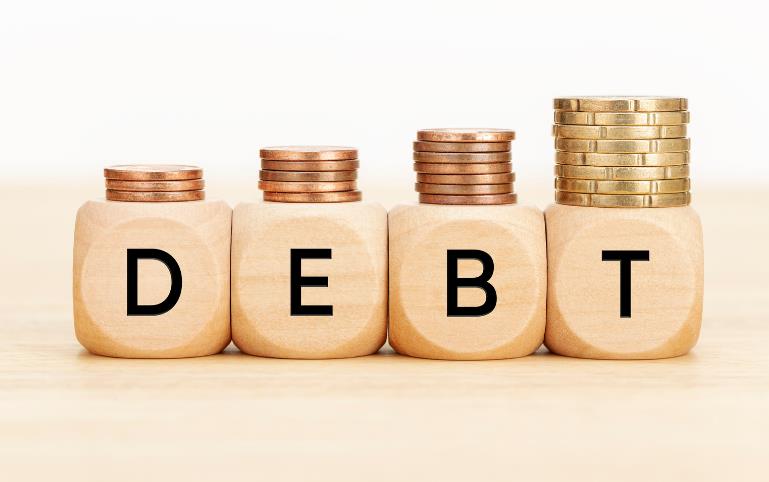

Halal investment opportunities are those financial products and services that comply with Sharia rules about transactions. Investment is permitted in Islam, but the way you invest is important. Halal investments can span different products including stocks, real estate, commodities and business-to-business investment.
Types Of Halal Investments
There are many different types of halal investments available on the market today. Previously people may have questioned whether specific investment vehicles such as bonds, stocks, cryptocurrencies, and real estate are permissible Islamically.
However, there are now many Islamic and halal alternatives to these investment options that are Sharia compliant and screened for compliancy with Islamic rules about finance.
Let's have a look at some of the most common halal investment vehicles:
- Property/ real estate: property has always been a good investment opportunity but often these opportunities come with interest based products. Investing in real estate using Islamic finance vehicles (interest free) is a great way to grow a portfolio and build tangible assets with potential rental value.
- Islamic bonds (sukuk): sukuks are essentially financial certificates that represent ownership. The returns on sukuks are based on performance rather than interest, and often a fixed return is available.
- Islamic mutual funds: as the name suggests these kinds of funds are halal. The way they operate is that multiple investors pool funds into a diverse portfolio of halal stocks, bonds, and assets.
- Venture capital and private equity: investing in Sharia compliant companies can grow wealth in a halal way.
- Precious metals (gold, silver): you can hedge against inflation and unpredictable market conditions and fluctuations by investing in precious metals that hold their value.
- Halal crypto: As the Islamic finance market has grown, so too has the availability of halal bitcoin and crypto.
ARE INDEX FUNDS HALAL?
Whether an index fund is halal or not depends on how it was formed and how it operates. There are halal index funds available to those who want them. Any index fund that is Sharia compliant should have the following components:
- avoiding haram industries (gambling, pork, interest)
- be Sharia screened by experts in Islamic finance
- avoid debt leverage and riba
- have thresholds relating to revenue and debt
ARE ISAs HALAL?
ISAs (individual savings accounts) are a very popular saving account in the UK. They enable people to save money without paying tax on the interest or gains. You can specifically look for halal ISAs and if you do then look out for the following:
- If you are looking for a stocks and shares ISA make sure the stocks and shares are not linked to haram industries.
- Ensure there is no riba attached to the ISA - cash ISAs tend to be interest based which is not permissible in Islam.
- Search for halal funds that are available.
HOW CAN I GROW WEALTH AND INVEST WITHOUT ENGAGING IN INTEREST?
This is a common question many Muslims ask themselves. The answer to this question is simple - it is possible to grow wealth and invest without breaching Islamic rules.
The very first step is to seek our Islamic finance organisations, banks, lending institutions, services and products.
Make use of halal investment products already on the market. If you have non halal investments currently, these can be transferred to halal investment options with the right guidance and support.
There are many alternative finance and investment vehicles including peer to peer lending and crowdfunding. In addition, Islamic banks are now offering interest free services.
The most important thing would be to educate yourself on Islamic finance and what halal investment entails.
Avoiding Interest
One of the best places to start when wanting to grow and develop your halal investments is to avoid interest. Interest is strictly prohibited, and Muslims should do everything they can to avoid any financial vehicle that includes interest.
If you can actively avoid interest then you are on your way to long-term financial compliance with Islamic finance. This not only aligns with the teachings of the Quran but enables Muslims to fulfil their Islamic duty to remain Sharia-compliant.
Some people worry that avoiding interest will limit the growth of their investments but this is not the case. You can grow your portfolio of investments AND remain compliant with Islamic rules. In fact, there is evidence available that demonstrates that the growth potential of Islamic finance products matches that of more conventional investment models and is actually more sustainable.
Invest Ethically
Halal investments are centred on the notion of investing ethically. In fact, faith based investments not only lead to material growth but also spiritual growth. Ethical investment aligns itself with Islamic principles.
Ethical investments are not only Sharia compliant, but they also avoid harmful industries and practices. This not only supports ethical businesses but leads to greater social responsibility. The ethical investment market is growing fast as the demand for ethical investment opportunities continues to grow across the world.
Islamic banks in the UK and abroad offer ethical investment opportunities. When determining if a bank or products is Sharia compliant it is always important to ask the experts and scholars. In the UK the Islamic finance market is regulated, but you should always ask your own questions if you have any doubts.
Halal Investment Strategies
For those looking for halal investment strategies, the best place to start is always with a reputable Islamic finance organisation. Once you have found the bank or platform to use the following strategies will help you:
- Screening - make sure you screen products and services to ensure they are Sharia-compliant.
- Filtering - if you have any doubts about compliancy then remove these investments from your portfolio.
- Ongoing assessment - keep reviewing and assessing your investments for Sharia-compliancy.
- Diversify - keep your portfolio diversified and apply your capital to different sectors.
- Long-term planning - focus on the long-term and don't expect quick short-term gains.
- Focus on profit and loss sharing arrangements to spread the risk.
- Remain engaged - stay actively engaged with your investments.
- Education - awareness is key.
- Ethical evaluations - make sure you check the ethical valuation of your investments.
- Reinvestment - use returns well!
Debts And Leverage
When it comes to debt, Islam focuses on ensuring that debt is riba free. What this means is that no interest is charged in debt and no interest is paid. In the context of conventional mortgages and loans this can create issues for Muslims as many mortgages in conventional markets are based on interest.
However, there are an increasing number of halal mortgages available on the market. These halal mortgages help Muslims get onto the property ladder without breaching Sharia rules.
Halal mortgages operate without any form of interest. Usually a bank will buy the property outright and sell it back to the purchaser at a marked up price. The purchaser will then pay the price over a series of instalments.
Another version of the halal mortgage is where the bank will lease the property back to the buyer for a specified time until the buyer buys out the bank.
Halal Investment Opportunities
The important thing to note with halal investments is that no investment activity can involve any form of interest (riba).
Any form of investment instrument that includes interest is not permissible.
The division of profit should be equitable between the parties. The profit and loss sharing elements of the investment should be based on a joint venture structure. No one party to the transaction should have an excessive benefit.
Investment activities must stay clear of haram industries such as the pornography, gambling, alcohol, and pork industries.
Investments should not be speculative or uncertain (gharar). Uncertainty in investments goes against the Islamic finance notion of fairness and transparency between the parties. This means that investment activities such as options and futures are prohibited.
Investments should operate within a real and functional economy. Look for the following when investing:
- Fair trade enterprises
- Renewable energy
- Environmental projects
- Waste reduction
- Healthcare
- Education
- Affordable housing
- Social welfare projects
- Community development
Avoid the following:
- Stocks that are based on interest/ riba
- Stocks or companies/ businesses with high levels of debt
- Any haram business or product
- Mismanagement or poor corporate governance
- Exploitation within society
- Poor distribution of wealth and profits
- Poor performance when it comes to demonstrating ethical adherence.
- Adherence to Sharia rules relating to financial transactions and investments. Invest your money now

Introduction
Islamic microfinance refers to financial transactions that are based on wider Islamic finance principles. These Islamic finance principles themselves are based on the teachings of the Prophet Muhammad (PBUH) and the Quran.
Islamic microfinance provides access to financial services for those who live in low-income households or economies.
The contractual terms of Islamic microfinance arrangements are not interest-based, but instead the terms are Sharia complaint. Islamic microfinance is viewed as a positive tool and concept for facilitating poverty alleviation and financial inclusion.
Research has shown that economies that operate or make available Islamic microfinance widen the market for any Muslim customer looking for structures that do not contravene Sharia rules and want a more ethical basis for their financial dealings.
WHAT IS ISLAMIC FINANCE?
Islam sets out principles that should govern financial transactions, especially commercial financial transactions. One of the main principles of Islamic finance is that the money itself does not earn - what this refers to is interest. Interest, or riba, is not permitted in Islam as money is not seen as an asset that earns in and of itself.Some of the main principles of Islamic finance are as follows:
- No interest (see above)
- Prohibition of involvement in haram industries and products
- Equity in profit and loss sharing
- Ethical and socially responsible investing
- Fairness and transparency
- Avoiding speculation or gambling
WHAT IS ISLAMIC MICROFINANCE?
Any Islamic microfinance product or service in any capital form cannot mirror conventional finance arrangements. Many conventional financial arrangements, although able to provide financial resource, are not Sharia compliant.
Let's examine some of the key features of Islamic microfinance:
- Any Islamic microfinance commodity or service must ensure that there is no element of riba whatsoever. No interest is attached to the debtor, the lender, or the debt.
- In addition, microfinance transactions should always be linked to tangible economic activity. This means there cannot be any financial speculation or uncertainty that is excessive.
- Any product that is bought or sold must be clear and tangible. You cannot trade in or sell something you do not own.
- If involving activities, then these should be socially responsible activities that do not exploit or morally harm others.
What this means for Muslims is that many of them stay away from the financial services on offer. Whilst the structure of conventional finance options may appeal to the masses, Islamic microfinance offers an alternative form of finance.
Key Principles Of Islamic Microfinance
One of the main objectives of Sharia law and Islamic finance is to alleviate poverty and empower people and communities.
Whilst we have looked at some of the key principles above, let's have a look at them in more detail:
- Asset backed finance: Asset backed finance encourages finance options that are backed by real and tangible assets.
- Profit and loss sharing: Islamic finance is focused on profit and loss sharing arrangements. This means that the risk is also shared between the respective parties to the contract and transaction. Common forms of profit and loss sharing arrangements in Islamic finance include mudaraba and musharaka arrangements.
- Social welfare: Promoting social welfare is a central tenet of Islamic finance. Providing and facilitating access to education, healthcare, and essential services is seen as the promotion of social welfare so any form of financial arrangement that enables this to take place is seen favourably in Islam.
- Ethical investing: as is the case with social responsibility, Islamic microfinance heavily favours ethical investments. What this means in principle is that any investments need to add value to others and society. Examples of projects and investments that are deemed to be ethical include community development projects, agricultural, and healthcare projects.
- Interest (riba) avoidance: riba is strictly prohibited in Islam so any form of arrangement where interest is paid or charged is impermissible. Islamic microfinance steers clear of interest-based products (often used by lenders in Western economies which are credit and debt based).
Social Responsibility
One of the main principles of Islamic finance is that finance should serve society. What this means is that financial transactions must be conducted in a socially responsible manner. The foundation and ongoing management of Islamic microfinance products (on paper and in practice) should be equity-based.
The idea underpinning Islamic social responsibility is that there is a balance between social objectives and financial objectives. What this ultimately leads to is more sustainable finance long-term as the scope for exploitation and inequality within transactions is minimised.
In many ways, Islamic microfinance is underpinned by principles of benevolence, morality, unity, freedom, and equilibrium. Muslims believe that they all have a responsibility to society and the environment. Therefore, they must embody this commitment to social responsibility through their words and actions.
In this way, they can contribute to social justice (as prescribed by Islam) and ensure populations across the globe are not adversely impacted.
Types Of Islamic Microfinance
Islamic microfinance is based on the foundations of Sharia law. Sharia rules place great emphasis on transparency, fairness, social responsibility, and ethical behaviour.
Let's have a look at some Islamic microfinance products:
MICROCREDIT
Islamic microcredit is a term used to describe small financial services relating to credit. Microcredit operates within Sharia rules and is designed to ensure that entrepreneurs and small businesses are able to access fair and equitable financing options.
Islamic microcredit does not include any riba and is asset-based finance. Any loan issued is backed by assets or productive ventures.
MICROLEASING
Islamic microleasing (also known as microfinance leasing), enables small businesses and entrepreneurs to lease assets for varying periods of time. The leasing arrangements are compliant with Islamic finance rules.
In Islamic microleasing arrangements, the lessor (lender) will retain ownership of the asset and grants the lessee a right to use the asset for a period of time. The lessee then pays the lessor lease payments for the use of the asset.
MICROINSURANCE
Islamic microinsurance is also known as takaful insurance. This type of insurance does not contravene Islamic finance principles. Takaful is a cooperative arrangement based on shared risk and mutual assistance between the parties.
What this means in real terms is that businesses and individuals are able to access insurance coverage whilst remaining Sharia compliant.
Islamic Microfinance - The Prospects
It is estimated that over 60% of Muslims who live in Muslim countries do not use formal financial service institutions and services. One of the main reasons for this is that many Muslims view conventional finance institutions as incompatible with aspects of Sharia law.
This has led to the emergence of microfinance services and products being developed both inside and outside of Muslim countries and economies.
Muslims are increasingly keen to engage with financial services that comply with Sharia law and the rules of Islamic finance. Since 2006, the Islamic finance market has seen a four-fold increase, and this is likely to continue growing in the future.
What Islamic microfinance represents is the merger of two quickly accelerating industries - Islamic finance and microfinance. Not only does Islamic finance meet the commercial business demands within global economies, but it also provides individuals looking with Sharia compliant funding options.
Unlocking The Potential Of Islamic Microfinance
Any financial transaction that meets Sharia rules is not only good for business, but it also means that transactions are socially and ethically considerate.
Islamic microfinance has the power and potential to operate in a fair, socially responsible and transparent way. What this means for businesses, the entrepreneur, individuals, and communities is that they too can access funding and enhance their ability to access finance and loans.
Providing financial access to poorer or marginalised communities who currently reject conventional, interest-based finance products means greater equity and economic development.
Islamic Microfinance And Poverty Reduction
Islamic microfinance is based on the foundations of equity and social and environmental responsibility.
One of the main advantages of Islamic microfinance is that it contributes to poverty reduction in various ways:
- Enterprise and entrepreneurship - Islamic microfinance supports individuals and businesses from low-income and under-developed communities. It enables these businesses and entrepreneurs to access capital for the ventures and establish sustainable and Sharia compliant livelihoods.
- Financial inclusion - as already mentioned, Islamic microfinance has become an important tool in encouraging and facilitating financial inclusion. Offering financial products that are not only accessible but also Sharia compliant means that marginalised groups can access funding for their start-ups.
- Skills growth - there are many Islamic microfinance organisations that offer training and skill enhancement programmes alongside their financial products and services.
- Community development - with a strong focus on equity and social responsibility, Islamic microfinance is committed to community development. This goes beyond offering financial assistance. Microfinance products can include access to healthcare, education, and a wide range of community benefits.
Islamic Microfinance - The Challenges
One of the main challenges for the Islamic microfinance industry is spreading awareness of the products and services on offer. Despite growing rapidly, this industry is still seen as being in its infancy.
Further advertising and outreach work is required to make sure that Muslims and socially responsible investors are aware of the microfinance options available to them.
The important thing to remember is that Islamic microfinance encourages and develops financial inclusion and freedom. Whilst the impact of Islamic microfinance funding options may vary depending on the regulatory environment, local economic conditions, and institutional capacity, Islamic microfinance is essential if we want to ensure the sustainability of Islamic finance initiatives and alleviate poverty.

WHAT IS MURABAHA?Murabaha is an important concept of Islamic finance. Technically, murabaha refers to a contract of sale within which the seller declares the cost and any profit generated. This type of financing arrangement is also known as a costs-plus financing arrangement. This means that the murabaha contract is a contract for the sale of goods at cost price plus an uplift for any agreed profit.
The murabaha contract is essentially a contract whereby the Islamic bank is asked by a customer to make a purchase from a third-party supplier or seller and resell it to the customer.
Payment for the item can be done immediately or on a deferred basis.
Murabaha And Business Transactions
For many small businesses, murabaha financing arrangements have become an essential way to raise funds in a way that is compliant with Sharia rules.
As a form of financing, murabaha is used in many different types of transactions. These can include the purchase of goods for households, real estate, and business equipment.
What murabaha contracts facilitate is a structure whereby an interest free form of financing is available for those who need it.
Murabaha contracts also enable individuals and businesses to have help with making purchases from specialist markets they may not be familiar with.
For small to medium businesses, murabaha financing arrangements mean that capital assets can be bought without the business needing to take out loans to make the relevant purchases.
Murabaha As An Alternative Funding Option
Murabaha contracts have become increasingly popular in the United Kingdom in recent decades, as these types of contracts have become a viable Sharia compliant alternative means of finance.
In the current unpredictable economic market, murabaha arrangements are less risky and more ethical. Customers do not have to worry about fluctuating interest rates.
This form of financing arrangement and funding option is asset-backed and this makes it less tumultuous and risky for people and SME enterprises.
Murabaha Financing
Murabaha is a legal mode of financing structure that many Muslims are keen to use as it offers interest free financing. Many Islamic banks globally offer murabaha contracts to their clients and customers.
Murabaha contracts are used to purchase all manner of goods including raw materials, equipment, machinery, real estate, and exported goods.
This form of Islamic finance is an alternative to the debt based finance systems that have become synonymous in many economies throughout the world.
Murabaha And Sharia Rules
In order to comply with Sharia rules, murabaha contracts must:
- the product or subject of the murabaha must be owned by the bank or financial institution when the financial transaction takes place.
- the asset or goods must be of value (classified as property by Islamic finance rules).
- the goods cannot be commodities that are forbidden
- debt cannot be sold via murabaha contracts.
- there must be no interest payment at all, instead a set fee should be agreed.
- there is a requirement that the entire murabaha transaction should complete in two contract stages - the first being when the customer requests the murabaha transaction and promises to buy it from the bank. The second stage is when the bank purchases the commodity and the customer buys it back on agreed repayment terms.
- both contracts should be valid and enforceable.
- As with any Sharia based contract, the terms and conditions should be clear, concise and unambiguous especially when it comes to the terms relating to money and payments.
- the bank assumes the risk when they buy the goods requested
- the purchaser has the right to return the asset if there are any defects.
The two distinct contract stages (ie two definite and distinct sales) circumvent the Sharia prohibition on charging interest.
Murabaha Contracts - The Stages
There are 3 main stages of a murabaha contract:
- Promise: this stage requires the parties to the contract to negotiate the terms and carry out any due diligence or credit checks that they need to. At this contract stage, the customer will promise the bank that they will purchase the goods the bank will acquire on their behalf.
- Acquisition and Possession: at this stage of the transaction, the bank acquires the goods and keeps possession and takes on the risk of ownership.
- The final stage is when the customer purchases the goods from the bank.
ARE MURABAHA CONTRACTS LOANS?The answer to this question is that murabaha contracts (as long as they are compliant with Islamic finance and Sharia rules) are not loans. There is no interest element at all, instead there is a mark-up based on profit, and this mark-up is agreed upon by the parties.
These types of contracts are contracts for the sale of commodities.
Instead of any form of loan agreement or loan repayment, murabaha contracts are based on the existence of two purchase contracts or agreements. The first agreement is the one where the bank purchases the asset, and the second relates to the purchaser buying the asset from the bank.
The risk of the ownership rests with the bank when they purchase the item. Murabaha contracts are not interest based. Instead, the parties negotiate the terms and the profit margin which should be based on the cost of the original purchase and a profit margin.
Murabaha contracts are increasing in popularity as they are a viable alternative to traditional contracts which are not compliant with Sharia rules. What this means for individuals and businesses is that they are able to finance their endeavours within the framework of Islamic finance.

As more and more people attempt to get their foot onto the property ladder, this article will examine in detail the alternatives to conventional mortgages. In recent years there has been significant growth in alternatives to traditional mortgages, and what this means in principle is more choice for those looking to purchase assets or property in a Sharia compliant way.
There are many different reasons why people look for alternatives to mortgages:
- Flexibility: people want more flexibility when it comes to financing property or asset purchases.
- Accessibility: for some investors, alternatives to interest-based mortgage products are problematic as they contravene Islamic finance rules and ethical investment principles.
- Cost: alternative mortgage products can be cheaper overall than the standard mortgage products available in the UK, especially for those with poor credit scores.
- Less risky: there is sometimes less risk associated with alternative mortgages.
ALTERNATIVE MORTGAGES - WHY?
A conventional mortgage arrangement exists as a loan between a lender (bank) and an individual or company. The lender lends you the money to buy the property and in return, the borrower repays the money they have borrowed plus interest.
The mortgage loan itself is secured against the property and against the value of the property.
For many potential homeowners, a conventional mortgage is not a viable option, especially those looking for Islamic finance or ethical mortgages.
One of the main reasons traditional mortgages are shunned is that they are interest-centred and therefore not Sharia compliant. This has led to Muslims and ethical investors looking for alternative financial products to source funding when buying a property.
Interest is strictly prohibited under Islamic finance rules, so Muslims have had to look outside the traditional mortgage market in order to secure funding for their real estate and asset purchases.
However, it is not only Muslims who are looking at the market for alternatives to traditional mortgage products and services. As the ethical finance market continues to grow, many ethical investors and purchasers are also looking to secure funding that comes without hefty interest payments and charges.
Islamic banks and products under the Islamic finance banner are often considered to be a safer option than the finance options available on the mainstream finance market. The reason for this is that they are seen as less risky and less speculative.
Let's have a look at the alternatives out there and whether or not they are deemed to be halal or haram under Sharia rules.
Buy To Let Loans
Buy-to-let mortgage loans are designed for those people or businesses who want to purchase real estate properties with the purpose of renting the property out. Once the property is let, the homeowner then generates revenue through the rent payments they receive from the tenant.
Normally, these types of mortgages are based on higher interest rates than conventional mortgages and for this reason alone they are not Sharia compliant and are deemed to be haram.
There are some Islamic banks within the UK that offer a buy-to-let mortgage product, and if you want to review what is on offer you need to make sure that the product is 100% Sharia compliant.
Certainly, conventional buy-to-let mortgages that include interest in the repayment structure are not permissible for Muslims.
Home Purchase Plans
Home purchase plans are structured to avoid the charging and paying of interest. Normally a home purchase plan will involve the bank and the homeowner taking part in a shared investment strategy.
The bank, or financial institution, will purchase the property outright on behalf of the homeowner. The bank and the homeowner will agree the payments that the homeowner will make to the bank in lieu of repayment.
The homeowner will then make the repayments to the bank until they have paid off the pre-agreed price of the property. Once all the payments have been made the homeowner will own the property outright.
Home purchase plans give customers the opportunity to get on the property ladder in a halal and Sharia compliant way.
This type of co-ownership arrangement means the bank and the borrower share the risk and no interest is payable.
Shared Ownership Schemes
A shared ownership mortgage enables the purchaser to buy a share of the property. The purchaser then pays rent on the remaining share which is often owned by a non-profit organisation such as a registered social housing provider.
Shared ownership schemes were developed to enable people to get on the property ladder in an affordable way.
When structured correctly, shared ownership mortgages can be halal. If the share (of ownership) being purchased is clearly defined, and the rent on the remaining share is based on payments which are fair then this could be considered a halal alternative to an interest-based mortgage.
Make sure that the rental payments do not attract any interest, and that the terms and conditions of the ownership scheme are clear and concise. In the United Kingdom, shared ownership schemes are regulated and can often be an effective way to get on the property ladder.
If you are interested in a shared ownership scheme, look to see if they are being offered in your local area, and then look to see if any Islamic banks are offering shared ownership services.
Guarantor Mortgages
Guarantor mortgages are for those people who are unable to purchase a property, or secure funding to make the purchase, on their own.
A guarantor is involved who guarantees that they will repay the mortgage loan amount if the borrower does not make the payments.
Usually, the guarantor is a family member or close friend.
Whilst Islamic finance does permit the concept of a guarantor, in order for the service to be halal it needs to follow Sharia rules relating to such transactions. For example, a guarantor can be involved in a joint purchase transaction. In this type of financial transaction, the guarantor owns a share of the property and the risks are shared.
This is a musharakah arrangement - that is a profit-sharing arrangement or partnership.
If the guarantor mortgage is simply one where the guarantor guarantees the loan repayments with zero ownership rights then this is not permissible under Sharia rules.
Crowdfunding
Crowdfunding is a relatively new alternative to conventional mortgages. In its very basic form, crowdfunding operates by way of a collection of funds from a crowd of people (investors).
Whilst historically, investment markets have tended to be reliant on interest. However, Islamic crowdfunding is an activity that is deemed to be halal. Funds collected from a community have never been prohibited. In fact, crowdfunding in its very essence can have a positive social impact and this is a key principle of Islamic finance - social responsibility and ethical finance.
Anyone considering crowdfunding should ensure that the crowdfunding arrangement is set up to be fully Sharia compliant.
Self-Build Mortgages
Self-build mortgages are for those people who want to build their own homes. What this means in principle is that the loan is released to the borrower in stages that coincide with the stages of the build taking place. The final loan amount if based on the value of the property once it has been fully completed.
This type of alternative to the conventional mortgage is not halal as it still incurs the same type of interest payment as a standard up-front mortgage does.
Conclusions
Muslims have been wanting Sharia compliant alternatives to standard mortgages for many years. To address this, banks in England and other western economies have developed Sharia compliant alternatives that enable Muslim and ethical investors to buy a house or a business property/asset.
Halal alternatives to interest-based mortgages have several unique features. They are less risky, less speculative, and more socially responsible.

WHAT IS GHARAR?
Islamic finance defines gharar as something that is uncertain, risky, or hazardous. If there is a financial transaction where any of the basic elements of the agreement are unclear, uncertain, or ambiguous then the transaction or activity could be deemed to have an element of gharar.
Using the principles of Sharia law, the reason gharar is prohibited in Islam is that it removes transparency, openness, and certainty in financial transactions and contracts.
Gharar And Islamic Finance
According to Islamic finance principles, which themselves are based on Sharia law, gharar is a fundamental prohibition in Islam as it results in a lack of certainty.
This lack of certainty then increases the level of risk and liability to one or both parties.
Islamic Finance And Ethics
Islamic finance is based on ethical finance. What this means is that whilst Islamic finance and Sharia rules recognise the importance of finance in society, there is a need to ensure that there is intrinsic value and ethical boundaries when parties transact.
The underlying ethical principles in Islamic finance aim to ensure that there is transparency and certainty for the parties involved.
When you understand the ethical nature of Islamic finance you appreciate how it works to protect the parties and ensure there is fairness.
Examples Of Gharar
Some examples of gharar in modern contracts and financial transactions include the following:
- options contracts
- future sales
- selling the unknown
- short selling
- sales of debt
- day trading
Essentially, the sale of anything which is not present or tangible is gharar, and therefore not permissible in Islam.
Similarly, if ownership of an asset or product is uncertain this could also be considered to be gharar.
This is why it is important that you understand the concept of gharar and how it is applied, whether you are dealing with a bank, business, financial institution, web page or individual.
Elements Of Gharar
In order to decide if any financial tranaction or business dealing has an element of gharar you need to assess the level of certainty within the terms of the deal.
Some of the main terms you need to understand include the nature of the transaction, the parties, the language of the contract, the product, or service involved.
Gharar has certain characteristics that you need to be aware of.
- the parties: gharar does not always relate to uncertain or risky terms in the contract. Gharar could also occur in the nature of the parties involved, their relative bargaining power, their openness and the level of risk they take on
- contract terms: language used in the contract must be clear and concise.
- two or more sales in one: this refers to deals that are uncertain with timings. For example, if a seller states they will 'sell this asset for £100 in cash today and £150 next week'. The timings here are uncertain.
- conditional contracts: this refers to conditions in a contract that are unknown and uncertain. For example, if a seller states they will sell the buyer an item if the market improves.
- price : if the price in a contract is not known then this could be deemed to be gharar. You should always be careful where the payment terms are not clear.
- Speculation: if you have agreed terms that are speculative then this is not permitted.
- Subject matter: ie, if there is uncertainty in the subject of the contract.
- Delivery: again, be careful if there are no specified delivery terms or final contract date.
Impact Of Gharar
In Islamic finance, certain types of contract are void. These include contracts that are deemed to be invalid, and contracts that are defective.
Invalid contracts are those where key details are missing, such as the price, the payment terms, and the duration.
Defective contracts are contracts which do not contractually bind the parties correctly.Based on these principles, any contract that includes elements of gharar can be deemed to be both invalid and defective in Islam.
How To Avoid Gharar
Whether you are looking to avoid gharar in your financial dealings or daily life, there are some things you can do to ensure that you are compliant with Sharia rules.
You can ensure that there is certainty in your dealings, fairness and openness, and that you are not misleading anyone else. Any transaction should involve the consent and knowledge of the parties involved.
Gharar And Trade
When it comes to trading or business, one of the main ways to ensure you do not fall into the gharar trap is to ensure that any trading has the consent of both parties.
Any form of trading in risk is not permissible. If it is likely that one party in the transaction is likely to make a significant gain at the cost of the other, then the result is that this is generally forbidden under Sharia law.
Any exchange that could lead to exploitation and injustice should be avoided. Instead, you should aim to ensure that all your dealings are transparent, consensual, and satisfactory to both parties.

WHAT IS A PENSION?
A pension is effectively a savings plan that is long-term. It is designed to help you save for your retirement and ensure that you can maintain your standard of living once you are no longer working, without having to worry about finances and bills.
Halal pensions are a Sharia compliant investment option for Muslims who do not want to compromise on their religious beliefs.
Halal Pensions
A halal pension is long-term savings plan that is compliant with Islamic rules relating to saving. Halal pensions are Sharia compliant.
Muslims are required to ensure that their money is managed and invested in a way that does not contravene the Sharia rules relating to finances, and this is why they look for halal pension products.
Difference Between A Conventional Pension And Halal Pension
As mentioned above, halal pensions are specifically geared towards Muslims, but can be utilised by anyone.
Halal pensions are different from traditional pension schemes as they each have different underlying principles and different investment strategies.
Many conventional pension schemes are not compliant with Sharia law and therefore not acceptable to Muslim savers.Halal pensions must have the following elements:
- No riba (interest)
- No maysir (gambling)
- No gharar (uncertainty)
Most traditional pension schemes invest in schemes that will not meet the above requirements. However, halal pension schemes have a Sharia compliant investment strategy. This means that the funds should be invested in assets that are Sharia compliant including real estate/ property and Islamic bonds.
In addition, halal pensions have a different management and market approach than traditional pension schemes. Halal pensions have to be managed in accordance with Islamic principles. These principles centre on the concepts of social and ethical responsibility which we will examine below.
Conventional pensions are more driven and focused on generating revenue and profits. The wealth and revenue growth of conventional pensions are often generated from risky or interest-based investment strategies.
Key Features Of Halal Pensions
If you work in the public sector and pay into a workplace pension it is very likely that you have a defined benefit pension. You should ask your employer for information relating to your pension so you can assess whether it is a defined benefit pension. If it is, then the pension should be halal.
Always check to see what fund your pension monies are located in.The main features of a halal pension include the following:
- Compliance with Islam and Sharia rules: this is fairly obvious but any pension you have must not contravene any Sharia rules about finances. Whilst you have a choice about which pension fund to invest in, it is your responsibility to make sure you seek expert opinion and advice about the investment and the operations of the scheme.
- Prohibited investment: for a pension to be deemed to be halal, investors need to make sure the monies are not invested in haram industries (gambling, porn, alcohol etc)
- No interest: this is one of the underlying concepts in Islamic finance. Sharia rules and guidelines strictly prohibit the payment of receipt of any form of interest. You should be sure to avoid haram bonds or any other investment instrument that relies on interest.
- Ethics: investors are faced with the obligation to act in an ethical and socially responsible way. This means that investments must align with the core Islamic value of transparency and fairness. Investments must adhere to Sharia rules and guidelines relating to finances.
Ethical And Social Responsibility
Halal pensions are designed to ensure that any investment is socially responsible and ethical. This is a fundamental principle of Islamic finance and must be adhered to.
Anyone who manages a halal pension needs to ensure that they do not invest in any industry, economy, market or product that would deemed to be unethical or haram under Islamic rules.
This means the pension monies cannot be invested in industries that are involved with gambling, porn, alcohol, and any other activities not permissible under Sharia rules.
Any profit or return from investment in these industries is haram
Importance Of Having A Halal Pension For Muslims
For Muslims, having a pension is an essential part of ensuring that they plan for their future.
Not only will having a pension provide you with an income for your future, but ensuring the pension is halal will increase its value for those who wish to remain Sharia compliant.
Workplace Pensions
In the UK, you should have a workplace pension, and your employer is legally required to contribute to your pension fund.
In addition to this, it is always a good idea to think about having a private pension. The main benefit of this, other than having a second pension pot, is that you can direct which pension fund to invest in and you have more of a say about where your pension is invested.
Having a halal pension means you have a savings plan that aligns with the ethical and religious values of Islam.
Key Benefits Of Having A Halal Pension
Some of the benefits of having a halal pension include the following:
- Compliance with Sharia law
- Alignment of personal values with financial planning strategies
- Accessibility to ethical investments
- Saving for retirement
Halal Pensions In The Uk
The popularity of halal pensions is growing in the United Kingdom and the rest of the world. Not only are they aimed at Muslims looking for Sharia compliant saving and pension plans, but they also attract ethical investors.
The number of banks and financial organisations offering halal pensions is increasing. Before approaching any organisation offering halal pension products you should always satisfy yourself that they are sufficiently registered and regulated by the FCA. You should also make sure the bank is fully aware of the rules relating to Islamic finance.
Please note that Qardus Limited does not provide financial advice.

In recent decades Islamic finance principles have become more mainstream. Two key components in Islamic finance are Islamic banking and Islamic insurance which is also known as takaful.
Takaful is a form of Islamic insurance, but it is different from conventional and western insurance policies. Geared towards a Muslim customer base, takaful involves a pooling system whereby members each pay money into a pool fund and effectively guarantee each other against losses and damages.
Essentially, takaful is a system within Islam of mutual insurance. It is based on the following principles
- mutual assistance
- solidarity
- co-operation
In addition, the takaful system is designed to be fully Sharia compliant and in line with Islamic principles relating to financial transactions.
That means takaful does not include any form of interest (riba), or unjust enrichment (gharar). Members who pool their funds are protected by each other by pooling their respective contributions. These contributions are then used to provide financial cover for those within the group who face a claim or a loss. The system of collection and distribution is an ethical and Sharia compliant experience for the participants.
This article will examine how takaful works, and the main Islamic principles relating to this form of insurance.
Principles Of Takaful
As mentioned above the three main principles relating to takaful are mutual assistance, solidarity, and co-operation that offer protection from losses.
These principles mirror the core Islamic finance principles that centre on ethical funding and social responsibility.
- Mutual assistance: this principle is based on reciprocal help. Participants or members of the takaful fund help each other out, and in doing so they share the risks and rewards of the scheme.
- Solidarity: the takaful system is based on principles relating to social solidarity. This reflects the ethical stance within Islamic finance which focuses on the benefit to society rather than the individual. The social solidarity aspect of takaful fosters and enhances the sense of community among the participants. What this means in reality for customers is that their financial needs are met, whilst they are also helping others.
- Co-operation: As it is based on the principle of mutual support, it is clear that co-operation is key for takaful schemes to succeed. Each member must agree to co-operate with the others for the greater good of the scheme.
How Does Takaful Work
Takaful involves the following components:
- Pooling of contributions - participants all contribute to the fund which is managed by a takaful manager
- Providing insurance coverage - the fund offers participants insurance coverage for specified risks
- Processing claims - the takaful operator manages the claims
- Costs - the cost of administering the takaful system is covered by the contributions made
- Profit sharing - as there are no middlemen (as is the case in traditional insurance products), the profits are shared. This means that if a claim is made the takaful operator uses the funds already in the pool to settle the claim
TAKAFUL - IS IT REGULATED?
In many countries across the globe, there is regulation of takaful schemes. Especially in countries that have adopted Sharia law. In Muslim countries takaful sometimes forms part of government services and policies.
How takaful is regulated depends on the country and region you operate within. Typically, a takaful scheme will be governed by the insurance rules and regulations of that region.
The type of protection on offer includes insurance industry regulations, business regulations, tax laws, and consumer protection laws. You should always check the status of any takaful scheme before joining it.
Benefits Of Takaful Insurance
There are many different advantages of taking part in takaful insurance. The main benefit to Muslims is that they can benefit from an insurance scheme that is Sharia compliant.
Some of the other key benefits of takaful include the following:
- Flexibility: takaful insurance can be tailored to meet the specific needs of an individual or business.
- Ethical Investment: As takaful operates in compliance with Islam and Sharia rules, it means that is it an ethical and attractive option for those who want to invest in a socially responsible way.
- Mitigated Risk: Pooling contributions via takaful insurance reduced risk for all involved and also generates revenue to deal with insurance claims. Overall, takaful offers an ethical strategy when wanting to secure an insurance policy.
- Financial Protection: of course, one of the main benefits of takaful is the financial protection those within the pool are offered. This means policyholders have protection against unexpected events via the insurance policy and their business. product and asset collection can be covered.
Takaful In The United Kingdom
Takaful has increased in popularity in the United Kingdom with the increase in consumers and investors looking for ethical and alternative insurance options to protect assets and manage risk. Globally, there is also a demand for takaful projects, including in Kenya, the Middle East, South East Asia, and the wider African region.
In the UK, takaful insurance products are available and offer protection for a variety of risks such as life insurance, motor insurance, and health insurance. In fact, the UK takaful insurance industry has seen significant growth in the last decade.
Takaful Insurance
Those businesses and brokers offering takaful insurance usually work together with traditional insurance companies to create bespoke insurance coverage for their clients. Conventional insurance and investment products are based on underwriting risk. In contrast, takaful is based on co-operation and the pooling of funds.
Takaful insurance that is offered by brokers and businesses is subject to the same regulation as other insurance products. In the UK, takaful insurance is regulated by the Financial Conduct Authority (FCA).
Anyone looking for takaful insurance in the UK should ensure they approach reputable brokers and those who understand the concept of Islamic finance and Sharia law.
When doing research you can visit the website or online platform of the company offering the takaful insurance so you can assess how the company prices and offers the takaful product and find all the information you need.
Takaful is a great financial planning option for those people who want insurance cover that is Sharia compliant and aligns with ethical values.

Invest with clarity. Grow with confidence.
Built on Sharia-compliant principles, we prioritize transparency, long-term vision, and ethical finance. Discover how Qardus empowers your investment journey or helps your business access capital.