
Halal Car Finance

Islamic car finance is available for Muslims wanting Sharia compliant options. What halal finance options do Muslims have and how do they work?
There is a huge array of car financing and leasing options on the market for those who do not want to buy a car outright. For Muslims, the car finance options available can be difficult to navigate, especially if they want finance and leasing options that are not in contravention of Islamic finance options.
Islamic car finance operates to enable people to use their money wisely, spread the actual cost of financing the car whilst ensuring that they do not pay interest on the finance option they have chosen. Drivers can take advantage of car finance deals whilst also adhering to Islamic Sharia rules relating to interest (the payment and receipt of which is prohibited) and speculation.
The halal car finance market is aimed at those people who want Sharia compliant finance options. Essentially, for those people who do not have the cash to buy a car outright, or those who do not want to buy a car paying cash, Islamic finance ensures that people can spread the cost of the car without breaching Sharia rules.
Islamic Finance Principles Applied To Car Finance
The main Islamic finance principles relating to car finance are:
1. Riba (Interest) - Islam prohibits the receipt or payment of interest. It is deemed to be haram. In car finance terms, this means that Muslims who want to remain Sharia compliant cannot borrow funds with an Annual Percentage Rate (APR) attached. An APR is an interest rate and is prohibited in Islam.
2. Simplicity of Contracts: Islamic Sharia principles dictate that transactions should always be honest, transparent and open. This means that if you enter into a contract for leasing a car you should make sure that there is no undue risk, speculation, or gambling involved. The contract should be fair for both parties and be simple to interpret.
Buying A Car Outright Without Car Finance
It goes without saying that buying a car outright with a cash payment is probably the best option for those wanting to remain strictly Sharia compliant. If you have savings that would cover the purchase of the car you can avoid interest payments and APR. However, not all Muslims have the option of paying cash outright for a car and this is where the market has developed to cater to the needs of those wanting Sharia compliant car finance options.
Car Finance Options - Leasing
Islam does not prohibit leasing (ijara). In fact, leasing is permissible and is compatible with Islamic finance principles. Payments for vehicles can be done via leasing contracts with car companies. Sharia does not prohibit car leasing agreements because the heart of the transaction relates to a tangible asset - the car. As long as the leasing contract sets out the terms of the lease, the details of the parties, and the payments it can be structured to be compliant with Islamic finance rules.HOW DOES HALAL CAR FINANCE WORK?
Halal car finance is actually straightforward, working on the basis of a loan being agreed between the parties. The buyer and seller in the transaction agree on the value of the car the seller is selling. The seller does not charge an interest rate for payment of the car as they would normally to make money on the finance arrangement. Instead, the seller increases the purchase price of the car to cover the interest payments they would have received. No interest is actually charged by a bank or the seller.
What this means for the buyer is that the deposit will be higher than a deposit they would pay on a non-halal car finance option, but for Muslims this is a halal way of obtaining car finance.
Halal Car Finance Options
Generally speaking, the traditional car finance options such as hire purchase agreement and personal contracts are always attached to an APR and this makes them non compliant with Sharia rules.
However, below is an example of how Islamic finance options can adapt the traditional car finance options to make them halal.
Hire Purchase Agreement (Hp)
HP financing means the buyer can spread the cost of the car over fixed monthly payments and the use of a deposit. Below is an example of an Islamic finance HP deal:
Example:
Price: £20,000
Contract Term: 12 months
APR: 6%
Total Cost to buyer: £21,200
Using an Islamic finance agreement, the seller/dealer would add the additional £1,200 to the price of the car. The buyer of the car would then pay £21,200 as fixed payments monthly for the contract term. When all the payments have been made, the buyer owns the car outright.
Personal Contract Purchase (Pcp)
PCP's are a common form of car financing option and act as a loan, with the buyer only paying off the full value of the car at the end of the contract term if they decide to keep the car. If the buyer does not pay off the full value of the car then they do not own the car at the end of the contract. PCP's usually always come with interest payments and are therefore not Sharia compliant.
However, there are sometimes some PCP finance deals available for new cars but these can be expensive and the requirements are often stringent.
Personal Contact Hire (Pch)
As PCH agreements are actually long-term hiring agreements they are normally deemed to be Sharia compliant. As you are simply renting the car from the owner or dealer you are simply paying for the use of the car for a specific duration.
Conclusion
Each contract and hire purchase agreement is different. The onus is on the customer to ensure that they have inspected the terms, and service fees of the agreement before they decide whether the option is Sharia compliant. There are various Islamic car finance options on the market these days, so it is always best to explore these options rather than using the traditional bank or dealer car finance options.
Explore more news
Introduction:
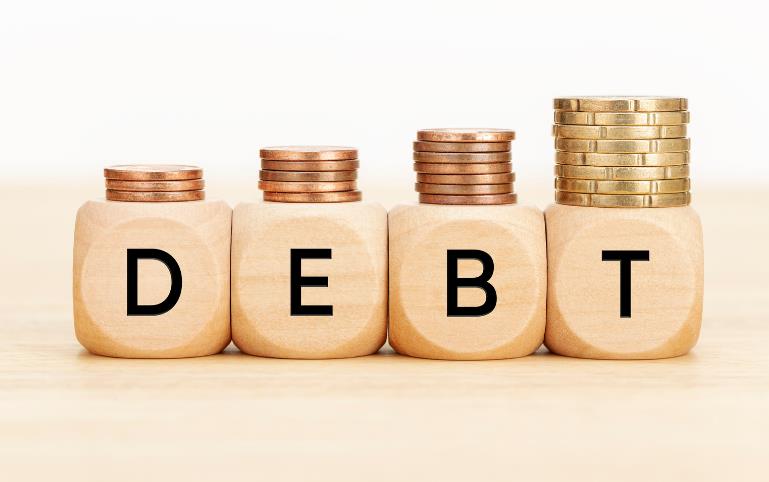
In a world increasingly driven by consumer culture and financialisation, debt has become a ubiquitous aspect of life for many individuals and nations. Islam offers profound insights into the handling of debt, encouraging timely repayment and promoting a life free of debt. Debt is a serious matter in Islam. It is a responsibility that should not be taken lightly or neglected. The Prophet (peace and blessings of Allah be upon him) used to seek refuge with Allah from being overburdened by debt and he warned against lying and breaking promises when dealing with debt. In this article, we will explore some of the Islamic teachings and principles regarding debt and how to repay it in a timely and ethical manner.
The Islamic View On Debt
Islam does not prohibit debt; it recognises the fact that people may face circumstances that necessitate borrowing. However, it emphasises caution, responsibility, and most importantly, the intention and effort to repay the debt promptly. One of the foundational elements in Islamic financial ethics is the prohibition of 'Riba' (usury or interest). This reflects, among many other things, the Islamic principle of social justice, ensuring that the burden of risk is not disproportionately placed on the borrower and preventing exploitative lending practices. Here, the Shariah protects the borrowers and debtors. The Shariah encourages lenders to go easy with debtors, and in fact, Shariah promotes helping those struggling with interest-free loans as well as grants.
The Virtue Of Prompt Repayment
Shariah is a perfect balance. Whilst it has guidance addressed to the creditor to guide their conduct, Shariah also protects creditors and lenders, and has guidance addressed to borrowers and debtors. The following guidance shows how Shariah balances the rights and ensures everyone’s rights are upheld.
The virtues of repaying debts promptly are emphasised throughout the teachings of the Prophet (peace and blessings of Allah be upon him). Paying off debt is a virtue and a means of attaining Allah's reward and forgiveness. It is a way of fulfilling one's duty and honouring one's trust. It is also a way of expressing gratitude and kindness to the creditor who helped the debtor in his time of need.
The Prophet (peace and blessings of Allah be upon him) said, "Whoever takes a loan intending to repay it, Allah will help him, and whoever takes a loan intending to waste it, Allah will destroy him." [Sunan Ibn Majah]
He also said, "If anyone remits anything from a debt owed to him, he will have that amount recorded for him as a charity." [Sunan Abu Dawud]
In another Hadith it was reported: "The soul of the believer is suspended because of the debt until it is settled." [Tirmidhi] This Hadith indicates the serious implications of dying in a state of debt and underscores the urgency of repayment.
The Prophet (peace and blessings of Allah be upon him) would supplicate to Allah to save him from debt. He would say, “O Allah, I seek refuge in You from a soul that does not satisfy and from a heart that does not humble itself and from a supplication not heard and from knowledge that does not benefit and from a deed not raised up and from a debt that never ends.” (Musnad Ahmad)
In another narration, the Prophet (peace and blessings of Allah be upon him) sought Allah’s refuge from debt. Abdullah ibn Umar narrates, "When the Prophet contracted a debt transaction, he would say: O Allah, I seek refuge in Thee from care and sorrow, from incapacity and laziness, from stinginess and cowardice, and I seek refuge in Thee from the burden of debt and from being humbled by people." [Abu Dawud]
Whilst prompt payment has been encouraged, unjustified delay has severe warnings. Abu Hurairah reported that the Messenger of Allah said: "Procrastination (delay) in repaying debts by a wealthy person is injustice." [Bukhari]
Hence, the AAOIFI Standards unequivocally state: “Default in payment by a debtor who is capable of paying the debt is Haram (prohibited).”
In one narration, he said: “Delay in payment by a solvent debtor would be a legal ground for his being publicly dishonoured and punished.” [Musnad Ahmad]
Advice To The Creditors
Islam is beautiful in that it addresses all parties with that which concerns them. Each party is given guidance to ensure that they are doing their best that they can do, that they are being the best version of themselves. Just as debtors are warned on delaying payment unnecessarily, creditors are encouraged to go easy. Giving loans to the needy is a noble act of charity and kindness in Islam. It is a way of helping others and relieving their distress.
The Prophet (peace and blessings of Allah be upon him) said, "A man would give loans to the people and he would say to his servant: If the debtor is in hardship you should forgive the debt that perhaps Allah will relieve us. So when he met Allah, then Allah relieved him." [Sahih Bukhari]
It is also encouraged to give respite or deferment to the debtor if he is unable to pay on time. The Prophet (peace and blessings of Allah be upon him) said: “Whoever gives respite to one in difficulty, he will have (the reward of) an act of charity for each day. Whoever gives him respite after payment becomes due, will have (the reward of) an act of charity equal to (the amount of the loan) for each day.” [Sunan Ibn Majah]
Moreover, it is permissible to reduce the amount of the debt or waive it altogether as a gesture of generosity and goodwill. The Prophet (peace and blessings of Allah be upon him) said, "If anyone remits anything from a debt owed to him he will have that amount recorded for him as a charity." [Sunan Abu Dawud]
Debt And Society: A Broader Perspective
Islam does not just focus on individual actions but also considers social responsibilities and collective well-being. Helping those in debt is seen as a meritorious act, leading to divine reward.
In one narration, it is stated, "Whoever relieves a believer's distress of the distressful aspects of this world, Allah will rescue him from a difficulty of the difficulties of the Hereafter… and whoever alleviates [the situation of] one in dire straits who cannot repay his debt, Allah will alleviate his lot in both this world and in the Hereafter." [Sahih Muslim]
The Practical Aspect: Managing Debt
Given the emphasis on prompt debt repayment and avoiding debt where possible, Islam encourages pragmatic approaches to financial management. This includes effective budgeting, prudent spending, and exploration of viable income sources before resorting to borrowing. Furthermore, when borrowing is deemed necessary, it encourages a clear understanding and documentation of the debt terms to prevent future disputes or misunderstandings.
Conclusion
In the Islamic worldview, debt is not merely a financial issue but a matter involving ethics, morality, and social responsibility. While borrowing is not prohibited, there is a clear emphasis on the virtues of prompt repayment and the spiritual and ethical implications of living a debt-free life. Furthermore, the alleviation of others' debt is seen as a meritorious act, showcasing the communal and compassionate dimensions of Islamic financial ethics.This holistic approach can offer valuable insights for contemporary societies grappling with the ethical and societal implications of widespread indebtedness. Ultimately, the Islamic teachings on debt prompt individuals to practice responsible borrowing, timely repayment, and to strive for a life free from the burdens of debt.

WHAT IS AN ISA?
An ISA is an individual savings account. The aim of an ISA is to encourage people to save money and invest in what is considered to be a tax-efficient way.
Having first launched in the United Kingdom in 1999, ISAs have become a popular way to prepare for your future by making sure you have savings set aside.
Anyone over the age of 18 in the UK can apply to open an ISA, and for anyone under the age of 18 there are options to open a junior ISA account.
The main things to note with ISAs accounts are as follows:
- You can only open one ISA per tax year
- There are limits to how much money you can put into your ISA each year
- The current ISA limit is £20,000
SHARIA-COMPLIANT ISAs
Sharia-compliant ISAs are essentially ISAs that comply with the strict Sharia rules relating to finance and savings. There can be no element of riba or interest as this is not allowed in Islam.
In addition, a halal ISA must ensure that any money generated comes from halal business and investment opportunities. So if you have a stocks and shares ISA you must ensure that the investment fund only invests in Sharia compliant companies and is not involved with industries that are deemed to be haram such as the porn, alcohol, and gambling industry.
The foundation of Islamic finance rules is that money itself has no intrinsic value. It is simply seen as a medium of exchange, therefore it cannot generate money by itself (hence the principle of interest being forbidden).
WHAT ARE THE ISLAMIC FINANCE RULES THAT APPLY TO ISAs?
As mentioned above, money held in Sharia compliant ISAs cannot attract nor pay any interest. In addition, any money held in a halal ISA must be invested ethically under Islamic finance banking rules.
A good bank that is Sharia compliant will go to great lengths to ensure it remains Sharia-compliant and in line with Islamic finance rules. For example, it will steer clear of businesses and industries that are deemed to be haram and unethical (such as gambling, weapons, and alcohol).
A Sharia-compliant will ensure no interest is paid on your ISA, and that you are not charged interest. Instead, many banks will pay what is known as an 'Expected Profit Rate' This is deemed to be profit that is earned on the savings (as opposed to interest which is accrued).
WHAT TYPES OF HALAL ISAs ARE AVAILABLE?
There are a variety of ISAs that are available on the market. These include the following:
- Stocks and Shares ISAs: also known as investment ISAs, these types of ISAs invest your savings into investments including stocks, shares and commodities.
- Cash ISAs: these work like a traditional savings account.
- Lifetime ISAs are popular with people saving for retirement or their first home. They are only available to those over 18 and under 40 years old.
INVESTMENTS AND ISAs
Sharia-compliant banks will invest your money into those ventures that are deemed to be halal and Sharia compliant. Any money that is generated from this investment is then returned to investors.
For cash ISAs, the important distinction between standard ISAs and halal ISAs is that no interest is payable on halal ISAs.
Banks offering their customers halal ISAs will ensure that they have lots of information about the businesses linked to their ISA investments, and potential opportunities are screened for compliance with Sharia rules. Any bank offering Sharia-compliant products and services will have a dedicated team who is responsible for the management and screening of the product against Sharia principles and providing advice about the products.
As ISAs are seen as tax efficient this is a big draw and incentive for people to open an ISA account.
IS MONEY IN A HALAL ISA SAFE?
There are various different banks in the United Kingdom that offer their customers and investors halal ISAs. They include Al Rayan Bank, Ahil United Bank, and Gatehouse Bank. There is further information about the ISAs on the website of these banks. ISAs in the United Kingdom are regulated by the Financial Conduct Authority.
Halal ISAs are available to Muslims and non-Muslims and offer what is considered to be a decent return on investment. Any provider offering halal ISAs and any other Islamic finance product or service in the UK will need to be registered with the regulating authorities and follow the guidance that applies to any company offering financial services. This means that customers have some peace of mind in the event of a collapse.
You should always make sure that any investment product you are interested in is offered by an institution that is regulated. Under UK law, this means that the Financial Services Compensation Scheme protects investors savings of up to £85,000 in the same way as they would be in a traditional bank.


With the financial landscape changing constantly, Muslims are looking out for investments that are profitable and Sharia compliant. With so many Muslim women managing their own finances and the finances of their home, there is an increased demand for halal investments.
Making spiritually aligned investments seems more important than ever in todays society.Whether it is investing in the stock market, the exchange-traded fund, personal savings, having an ISA or looking to invest in real estate, more and more Muslim women are looking for smarter ways to invest.
So, what are the things you need to look out for when considering halal investment? Let's take a look.
Understanding Halal Investments
Halal investments are those financial activities that are compliant with Islamic finance rules and Sharia law. Islamically, financial dealings which are based on interest or speculation are not permitted. This means many Muslims will not invest.
Islamic finance investments are more focused on investments that are ethical and deemed to be socially responsible. That is, they offer some tangible benefit to society and are not exploitative or speculative.
For an investor looking for a halal investment, they need to look out for the following:
- the investment must avoid any form of interest: charging or paying interest is haram in Islam. This means that if you are investing in an industry that includes interest or is deemed to be a haram industry then this is not permitted.
- the investment should avoid any kind of ambiguity: this means that any form of investment in stocks and shares that is akin to gambling is not allowed. There must be clear terms and conditions and transparency in all transactions that relate to any asset or money.
- It is important to avoid haram: this relates to any industry or dealing that is haram.
- social responsibility: it is important to ensure that any investment aligns with your ethical responsibilities under Islam and is socially responsible. To invest in arms production would not be deemed to be halal, nor would investment in the alcohol industry.
Navigating Financial Products That Are Halal
Halal investment can take many different forms. They include the following:
- Islamic banking: banks and other financial institutions often offer services and products that are halal. You can use a Sharia compliant bank account to save your money.
- Islamic mutual funds: these kinds of funds have been vetted to ensure they are Sharia compliant (although you should also make your own enquiries). Islamic mutual funds invest in Sharia compliant industries, markets, and assets. Investors share in the profits generated and also in the losses if they occur.
- Islamic real estate: investments in real estate are becoming more common with the onset of Islamic finance mortgages and funding options.
- Islamic bonds (sukuk): Islamic bonds are the type of financial instruments that are fully compliant with Sharia law. They offer investors ownership in an asset and the profits and revenue are generated by the asset.
- Halal stocks: companies that operate in a halal way offer stocks that can be purchased by investors.
- Exchange-traded funds: you can find halal ETFs on the market if you look carefully. There are many ETF products that invest in a range of halal stocks and other permissible assets.
- Islamic crowdfunding: some platforms are now offering Islamic crowdfunding options and peer lending options from one person to another. If thinking of making an investment on such platforms make sure that they are Sharia compliant.
Empowering Women
There are growing numbers of young professional women who want to invest and manage their money in a Sharia compliant way. For these women investing in halal companies and stocks is not simply about wealth management but also about adherence to the rules of Islam.
The empowerment of women in the financial sector has always been a practice in Islamic societies. The very fact that women often manage the household finances and then have to ensure they have sufficient funds for the charitable payments of zakat, means that women have always been financially literate.
In Islam, mutual consent in financial dealings is one of the central concepts of Islamic finance. This has meant that women have been involved in decisions about payments and finances from the start.
Women And Business In Islam
Historically, Islam has always promoted the independence of women whether that is in the fields of education, trade, and finances. Historical accounts document that Muslim women were engaged in trade and business many centuries ago. For example, the wife of Prophet Muhammad (PBUH) was a very successful businesswoman.
Islam has always had legal protections in place for women to protect and grow their finances. These protections have secured Muslim women's rights in marriage, in inheritance, and in succession.
Halal investing is linked to faith and encourages Muslim women to view their wealth as a blessing from God and one that needs to be shared and stored ethically. In Islam, women and business are not mutually exclusive. In fact, Islamic history teaches us that women have always been active participants in the business world.
Islamically, women are entitled to own, invest and manage their own funds.
Explaining Interest-Free Finance
For anyone looking to manage their finances in a Sharia compliant way, the very first step is to ensure you are not charging or paying any form of interest.
Interest free finance operates without including interest in financial transactions. When it comes to investing, it is important that you stay away from interest and any industry that relies heavily on interest or debt based finance.
Interest is seen as very exploitative and unethical.
Interest free finance operates on the basis that both parties to the transaction share the profit and the risk. The focus is on real economic activity that generates profit, rather than using money to create money via interest.
Educating yourselves on the core concepts of Islamic finance will ensure that any investment activity you take part in will be Sharia compliant.
Define Goals And Objectives
Identify what your financial goals and objectives are. Look for a market that appeals to you and aligns with your personal values. This should also apply to other forms of investment such as your pension. Is your pension being invested in companies that align with your ethical position? Always do your due diligence and research the industries your finances are involved with.
Spread your investments. Diversify your portfolio as this will not only reduce your risk but enable you to do more social good with your money. It is not necessarily always the case that investing in one kind of stock or bond will yield the best results.
Look at halal index funds and examine the market of each fund. How do they operate? Where do they operate? what information do you have about the return you will receive? Is the service being offered Sharia compliant? what practices does the industry use? How do they pay?
If any industry is non-compliant with Sharia rules then stay away from it.
The value of your investment should not be based on speculative activities or interest. This applies to any form of investment and savings accounts.
Choosing The Right Provider For Halal Financial Services
It is essential that you consult with Islamic finance experts and scholars if you are unsure of investing. An educated Islamic finance expert will ensure that your investment choice is Sharia compliant and regulated properly in the UK.
Once you have made the investment you must undertake periodic evaluations. Regularly reviewing your investment portfolio will ensure it continues to align with your ethical and financial goals. Don't assume that an investment will remain Sharia compliant throughout its lifetime. Companies change course depending on the economy so keep an eye on the Sharia compliancy.
Aligning Values With Ethics And Wealth
When it comes to aligning values with ethics and wealth, Muslim women are embracing the principles of Islamic finance and Sharia compliant investment. Whilst Islam is centred around the the 5 pillars (declaration of faith, prayer, charity, fasting, and hajj pilgrimage), Muslims are also expected to follow the Sharia.
Pursuing halal investment and savings not only ensures that you live a Sharia compliant lifestyle, but also ensures that you live a more meaningful and ethical life.
It is essential to educate yourself and gain an understanding of Islamic finance principles. Stay informed about the different financial instruments that are available and assess them for compliance with Islamic principles. Screen investments and work with companies who also align themselves with Islamic finance rules.
The world of Islamic finance based investments is widening year on year, so there are plenty of options available out there. Regularly review your investment portfolio and make any adjustments you need to. Finally, be patient and be ethical.
Qardus do not provide financial or investment advice.

Stay informed on finance
Subscribe to our newsletter for the latest insights on ethical financing